






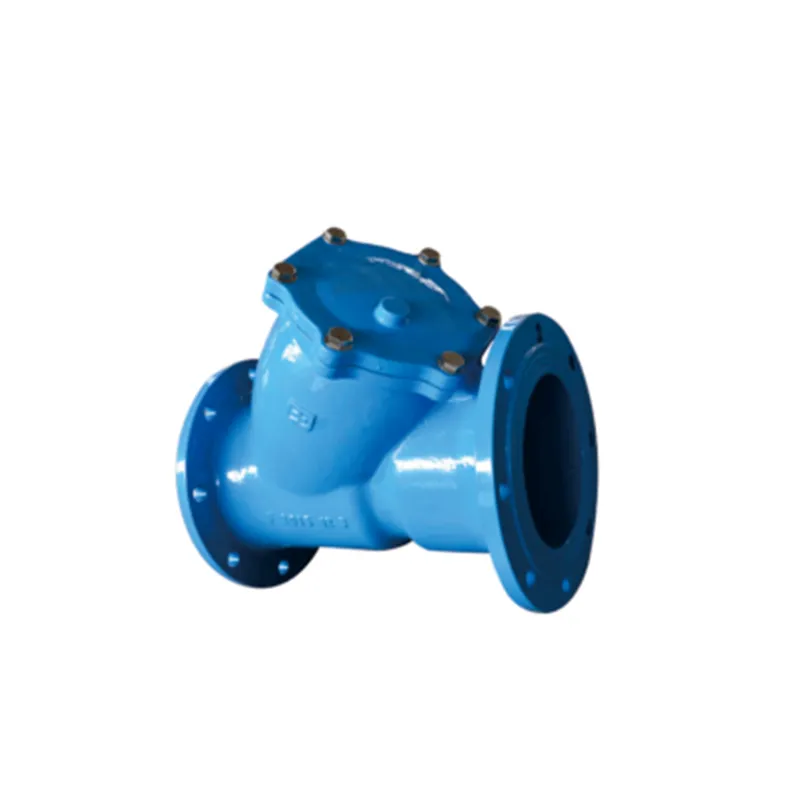

Y-Type Strainer/Filter Valve
Y-Type Strainer/Filter Valve Purpose
This Y-Type Strainer Valve is mainly set on various water supply and dralinage or steam and gas pipelines and used to protect other piping or valve from getting damaged by the fragments and impurities in the system.
Y-Type Strainer/Filter Valve Definition and Components
Y Type Strainer Filter Definition:
A Y-Type Strainer/Filter Valve is a pipeline protection device designed to mechanically remove solid particles from flowing fluids. The "Y-Type" refers to its characteristic shape resembling the letter "Y," where the straining element is positioned at an angle to the main flow path. These devices are essential for protecting sensitive downstream equipment from damage caused by debris.
Main Parts:
- Body/Shell: Typically cast in a Y-shaped configuration, available in various materials (cast iron, carbon steel, stainless steel, bronze).
- Screen/Basket/Strainer Element: Perforated or mesh cylindrical element that captures debris (available in different mesh sizes).
- Cover/Cap: Removable end that provides access to the strainer basket for cleaning.
- Gasket/O-Ring: Creates a seal between the body and cover.
- Bolting: Studs, nuts, and washers to secure the cover.
- Blow-off/Drain Plug: Optional plug at the bottom of the strainer leg for draining or cleaning.
- Connection Ends: Flanged, threaded, or welded connections at both ends.
- Bypass Valve: Optional feature on some models for continuous operation during cleaning.
Role, Characteristics, and Application Scenarios of Y-Type Strainer/Filter Valve in Pipelines
Water Valves Functions in Pipelines:
- Particle Filtration: Removes dirt, scale, rust, weld slag, and other solid contaminants from liquids and gases.
- Equipment Protection: Safeguards pumps, meters, valves, nozzles, and other sensitive equipment downstream.
- Process Quality Control: Ensures product purity in manufacturing processes.
- System Maintenance: Reduces wear and tear on system components, extending their lifespan.
Operational Features:
- Low Pressure Drop: Y-design creates less flow restriction compared to basket strainers.
- Easy Maintenance: Simple design allows for quick cleaning without disconnecting from pipeline.
- Versatile Orientation: Can be installed horizontally or vertically (with proper orientation).
- Visual Inspection: Some models have transparent covers or inspection ports.
- Self-Cleaning Options: Some designs include backwashing capabilities.
Application Scenarios:
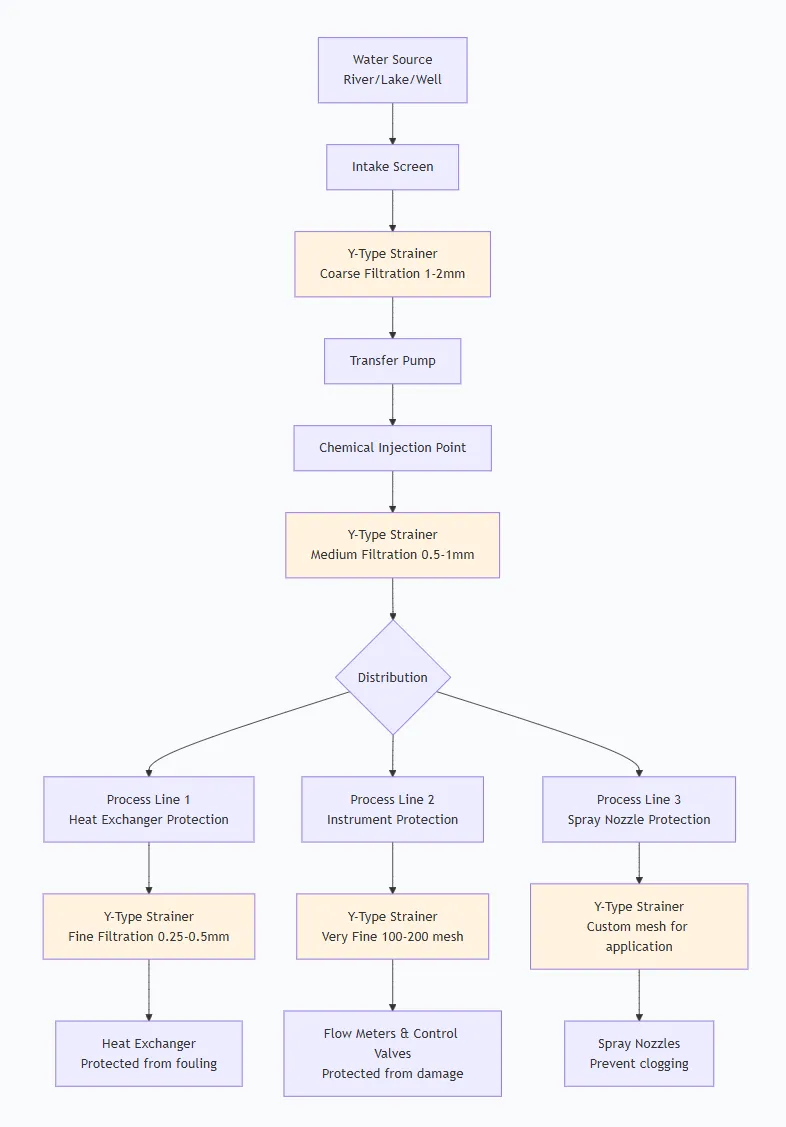
- Pump Inlet Protection: Preventing pump impeller damage from debris.
- Steam Systems: Removing condensate and pipe scale from steam lines.
- Water Treatment: Pre-filtration for reverse osmosis systems, UV sterilizers.
- HVAC Systems: Protecting chillers, cooling towers, and heat exchangers.
- Industrial Processes: Chemical processing, food and beverage, pharmaceuticals.
- Irrigation Systems: Protecting drip emitters and sprinkler heads.
- Fuel Oil Systems: Filtering contaminants before burners.
Scenario Diagram:
Y-Type Strainer/Filter Valve Standards: Materials, Design, and Connections
| Standard Category | Applicable Standards | Specific Requirements |
| Design Standard | ASME B16.34 (US) BS EN 12516 (EU) GB/T 14382 (China) | Pressure-temperature ratings, design requirements |
| Material Standards | ASTM A216 (WCB) ASTM A351 (CF8/CF8M) ASTM B62 (Bronze) DIN 1.4401/1.4408 | Body and component materials |
| Connection Standards | ASME B16.5 (Flanges) ASME B1.20.1 (NPT Threads) BS EN 1092 (Flanges) DIN 2999 (Threads) | End connection specifications |
| Screening Standards | ISO 2194 (Wire Cloth) ASTM E11 (Test Sieves) Mesh size standards | Screen opening specifications |
| Testing Standards | API 598 ISO 5208 MSS SP-61 | Pressure testing procedures |
Common Pressure Ratings:
Class 150, 300, 600 (ANSI)
PN10, PN16, PN25, PN40 (DIN)
Up to 2500 psi available
Common Screen/Mesh Sizes:
Perforated plate: 1.0mm to 6.0mm holes
Wire mesh: 10 mesh to 200 mesh (2.0mm to 0.075mm)
Special: 400 mesh for fine filtration
How to Select Y-Type Strainer/Filter Valve
Technical Specification Checklist:
Critical Parameters:
Size: Pipe Size [DN15 to DN600 typical]
Connection Type: Flanged RF/FF, Threaded NPT/BSP, Socket Weld, Butt Weld
Body Material: Cast Iron/Ductile Iron/Carbon Steel/Stainless Steel/Bronze
Screen Material: Stainless Steel 304/316/Monel/Bronze/Plastic
Mesh Size: Specify hole diameter or mesh number [e.g., 1.0mm or 20 mesh]
Pressure Rating: Class 150/300/600 or PN10/16/25/40
Temperature Range: Standard: -20°C to 200°C [higher available]
Gasket Material: EPDM/NBR/Viton/Graphite/PTFE
Optional Features: Blow-off valve, magnetic insert, pressure gauge ports
Performance Requirements:
Maximum Allowable Pressure Drop: Typically 0.1-0.5 bar
Dirt Holding Capacity: Specify volume if critical
Cleaning Frequency: Based on application
Flow Rate: Minimum and maximum capacity
Compatibility: Fluid type (water, oil, gas, chemical)
Certification Requirements:
- Material certificates per EN 10204 3.1
- Pressure test certificate
- NACE MR0175 for sour service if needed
- PED/CE for European market
- API 598 test report if specified
Supplier Evaluation Criteria:
| Evaluation Area | Weight | Key Considerations |
| Manufacturing Capability | 30% | Screen manufacturing precision, welding quality, material traceability |
| Technical Expertise | 25% | Application knowledge, sizing capability, material selection advice |
| Quality Assurance | 20% | ISO certification, testing equipment, inspection procedures |
| Pricing & Delivery | 15% | Competitiveness, lead times, payment terms |
| After-Sales Support | 10% | Spare parts availability, technical support, warranty |
Sizing Considerations:
- Flow Rate: Determine maximum and minimum flow rates
- Pipe Size: Match strainer size to pipe diameter
- Pressure Drop: Calculate acceptable pressure loss
- Dirt Load: Estimate amount and size of particles
- Cleaning Frequency: How often can maintenance be performed?
- Screen Area: Ensure sufficient screening area for flow rate
Commercial Factors:
- Pricing Structure: Per piece pricing, with discounts for volume
- MOQ: Typically 1-10 pieces for standard sizes
- Lead Time: 4-6 weeks for standard, 8-12 weeks for specials
- Payment Terms: 30% deposit, 70% before shipment common
- Warranty: Typically 12 months against manufacturing defects
- Spare Parts: Availability of replacement screens and gaskets
Pre-Shipment Inspection for Export Y-Type Strainer/Filter Valve and Key Considerations
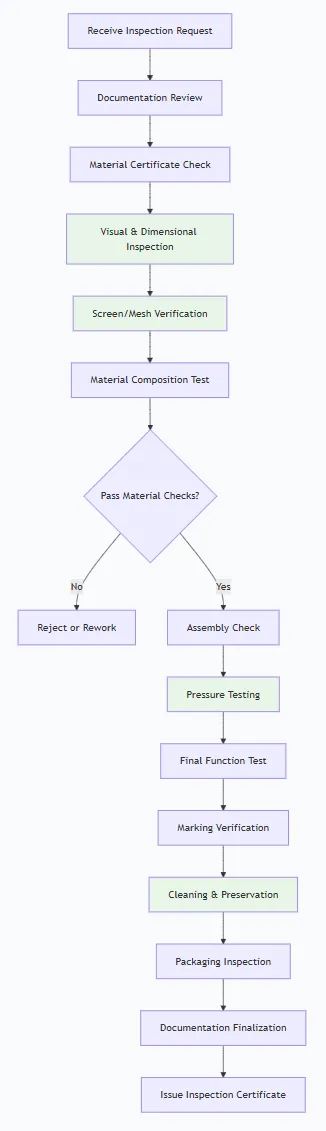
Comprehensive Inspection Checklist:
| Inspection Area | Test Method | Acceptance Criteria | Tools Required |
| Visual Inspection | Visual examination | No casting defects, cracks, porosity | Magnifying glass, light |
| Dimensional Check | Measurement | Face-to-face, flange dimensions per standard | Calipers, tape, thread gauge |
| Material Verification | PMI/Spark test | Correct material grade for all components | PMI analyzer, spark tester |
| Screen Inspection | Visual/microscope | Mesh size correct, no broken wires, proper welding | Magnifier, microscope |
| Surface Finish | Comparator/visual | Internal surfaces smooth, no sharp edges | Surface comparator |
| Pressure Test | Hydrostatic test | No leakage at test pressure | Pressure gauge, pump |
| Function Test | Assembly/disassembly | Cover removes/reinstalls easily, gasket seats properly | Torque wrench |
| Markings | Visual | Clear stamping: size, pressure rating, material, direction arrow | -- |
Detailed Testing Procedures:
- Screen Quality Inspection:
Mesh Verification:
- Count openings per linear inch/cm
- Measure wire diameter
- Check for uniformity
- Verify welding/joining quality
Perforated Plate Inspection:
- Hole diameter measurement (minimum 10 holes)
- Pattern uniformity
- Burr inspection (no sharp edges)
- Open area calculation
- Pressure Testing Protocol:
Shell Test (Body Integrity):
- Pressure: 1.5 × rated pressure for 30 minutes minimum
- Medium: Clean water
- Criteria: No visible leakage, weeping, or permanent deformation
- Note: Test with screen installed
Seal Test (Cover Gasket):
- Pressure: 1.1 × rated pressure for 15 minutes
- Medium: Water or air (air preferred for sensitivity)
- Criteria: No leakage at cover joint
- Method: Install blanking plates if needed
Optional: Vacuum Test for gas applications
- Flow Characteristics Evaluation (Sampling):
Pressure Drop Test:
- Install in test loop with calibrated flow meter
- Measure pressure upstream and downstream
- Test at minimum, normal, and maximum flow rates
- Compare with manufacturer's curves
Dirt Holding Test (if specified):
- Load with standardized test particles
- Measure pressure drop increase over time
- Determine capacity before cleaning needed
Specialized Inspection Flow:
Packaging Requirements:
Individual Strainer Packaging:
Small Strainers (DN15-50):
- Plastic bag with VCI (Vapor Corrosion Inhibitor)
- Cardboard end caps for connections
- Individual box with foam inserts
- Screen/gasket set in separate bag inside
Medium Strainers (DN65-150):
- Bubble wrap or foam wrapping
- Wooden end protectors for flanges
- Screen wrapped separately in protective material
- Desiccant bag in packaging
Large Strainers (DN200+):
- Wooden crate with internal bracing
- Screen packaged separately in smaller crate
- Lifting points clearly marked
- Multiple desiccant bags
Export Packaging Specifications:
Crate Requirements:
- 15mm plywood minimum for crates
- Steel strapping every 400mm
- Forklift pockets at balance points
- Clear labeling on all sides
Protection Measures:
- VCI paper wrapping for ferrous materials
- Desiccant: 200g per cubic meter
- Humidity indicator card
- Internal padding to prevent movement
Labeling Requirements:
- "FRAGILE" in local language and English
- "KEEP DRY" with symbols
- Net/Gross weight in kg
- Center of gravity marking if >100kg
- UN number if coating materials hazardous
Critical Precautions and Common Issues:
Screen Protection During Shipping:
- Prevention of Damage:
- Never stack heavy items on packaged strainers
- Protect screens from crushing
- Keep away from sharp objects
- Corrosion Prevention:
- Ensure complete drying after hydro test
- Apply protective oil to screens if required
- Use VCI packaging for long sea transit
- Contamination Control:
- Clean internal surfaces thoroughly
- Seal all openings during shipping
- Use clean packaging materials
Documentation Requirements:
Mandatory Documents:
- Commercial Invoice (3 copies)
- Packing List with detailed breakdown
- Bill of Lading/Air Waybill
- Certificate of Origin
Technical Documents:
- Material Test Certificates (EN 10204 3.1)
- Pressure Test Reports (signed by inspector)
- Dimensional Inspection Report
- Surface Treatment Certificate (if coated)
- Installation and Maintenance Manual
- Spare Parts List
Optional Certificates:
- NDT Reports (if specified)
- Third-Party Inspection Certificates
- CE Declaration of Conformity
- NACE Certification for sour service
Common Defects and Rejection Criteria:
Material and Manufacturing Defects:
Casting porosity visible on pressure-containing parts
Incorrect screen mesh size (>5% deviation)
Broken or damaged screen wires
Incorrect material grade (verified by PMI)
Welding defects on screens or body
Dimensional Issues:
Face-to-face dimensions outside tolerance (±2mm)
Flange bolt hole misalignment (>1mm)
Thread damage or incorrect pitch
Screens not fitting properly in body
Performance Failures:
Leakage during pressure test (any visible weeping)
Excessive pressure drop (>10% above specification)
Cover difficult to remove/install
Gasket not seating properly
Sampling Plan for Batch Inspection (AQL):
| Batch Size | Sample Size | Accept Major Defects | Reject Major Defects |
| 2-15 | 2 | 0 | 1 |
| 16-50 | 3 | 0 | 1 |
| 51-90 | 5 | 1 | 2 |
| 91-150 | 8 | 2 | 3 |
| 151-280 | 13 | 3 | 4 |
| 281-500 | 20 | 5 | 6 |
Final Pre-Shipment Verification:
Container Loading Inspection:
Verify container condition (no holes, leaks)
Check proper blocking and bracing
Confirm no contamination in container
Document container number and seal
Climate Control Verification:
Desiccant quantity adequate for voyage duration
Temperature indicators if required
Humidity indicators visible and recorded
Documentation Final Check:
All certificates match valve serial numbers
Packing list matches actual loaded quantity
Shipping marks clearly visible on all crates
Hazardous material documentation if applicable
Communication Protocol:
Establish contact points during transit
Provide tracking information
Confirm insurance coverage
Document loading completion with photos/video
Special Considerations for Different Applications:
For Steam Service:
Extra cleaning to remove oil/grease
Verify gasket material suitable for temperature
Check for proper drainage capability
For Food/Pharmaceutical Applications:
Certificates of non-toxicity for materials
Electropolishing of internal surfaces if specified
Clean room packaging requirements
For Corrosive Chemical Service:
Verify alloy composition meets specifications
Check for proper passivation if stainless steel
Confirm gasket material compatibility
By implementing this comprehensive inspection protocol, buyers can ensure Y-Type Strainers meet stringent quality standards, perform reliably in critical applications, and provide long-term protection for downstream equipment. Proper inspection and documentation also facilitate smooth customs clearance and reduce the risk of disputes or rejections at destination.