







How Fluid Tech Group Customizes Packaging for Every Single Client Order
June 22, 2026
A customer from South Africa ordered two types of products from us. One: 3-meter galvanized pipes. The other: 4,000 small malleable iron fittings and fire valves. Same container. Same destination. But the customer had one request: “Pack them so nothing gets damaged, and make sure I can unload easily with a forklift.”
We did not use one packaging method for everything. That would have been lazy. Instead, we looked at the products. The long pipes needed individual protection to avoid scratches.
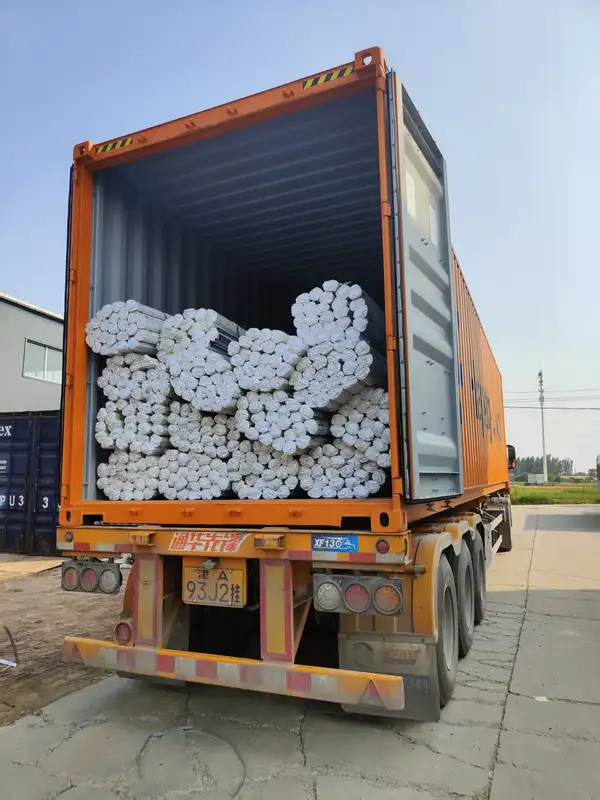
The small fittings needed cartons and pallets for efficient stacking. So we used two different packaging solutions in the same shipment.
That is how we work at Fluid Tech Group. We do not force your products into a standard box. We ask questions. Then we design a packaging plan that fits your specific needs. This article explains how we do it – and why custom packaging gives you better value.
Why custom packaging matters – and why we never guess
Some suppliers use the same packaging for every order. One box fits all. One pallet size for everything. That works sometimes. But when it fails, your products arrive damaged. Threads get chipped. Surfaces get scratched. Cartons collapse because they were not stacked right.
We have seen it happen to customers who switched from us to a cheaper supplier. They saved $200 on packaging but lost $2,000 in damaged goods.
Custom packaging starts with listening. When you send us an inquiry, we ask you:
- What are you shipping? (Length, weight, material, surface finish)
- How many pieces?
- How will you unload? (Forklift, pallet jack, or hand unloading?)
- What is the shipping route? (Sea freight, air freight, overland truck?)
- Do you have any special requirements? (No plastic? Extra labeling? Specific pallet height?)
Then we propose a packaging method – or a combination of methods – that matches your answers. We do not guess. We design.
Two packaging methods we commonly use – and how we customize them
Let me show you two standard methods we have in our toolkit. But here is the key: we adjust them for you.

Method A – Individual stretch wrap for long or delicate items
What we normally do: We wrap each long pipe, valve stem, or aluminum profile entirely with PE stretch film. We add extra layers at both ends to protect threads or cut edges.
Then we bundle several wrapped pieces together and secure them on a wooden pallet or steel frame.
How we customize it for you:
Need extra corner protection? We add plastic edge protectors.
Shipping to a humid port? We use thicker film (30 microns instead of 20) and add a moisture-absorbing bag inside the wrap.
Hand unloading at destination? We keep each bundle lighter – fewer pieces per bundle.
Need product identification? We attach a waterproof label directly on the film.
When this method works best: Long pipes (3–6 meters), valve stems, square tubes, or any product where surface scratches are not acceptable.

Method B – Pallet + carton + full wrap for small parts and valves
What we normally do: We pack small items into export cartons. We stack cartons on a fumigated wooden pallet. We wrap the whole pallet with stretch film and add strapping bands. Then we attach a shipping mark label.

How we customize it for you:
Different carton sizes? We can mix carton dimensions as long as they stack stably.
Need heavy-duty pallet? We use thicker wood or add a plywood deck.
Require certain pallet height? We limit stacking layers to match your warehouse racking.
Need gussets or dividers inside cartons? We add cardboard inserts to separate individual valves or fittings.
Want eco-friendly packaging? We use recycled cartons and biodegradable stretch film – just tell us.
When this method works best: Small fittings, finished valves, flanges, plumbing hardware – any item that fits in a carton and ships in large quantity.
A decision table – how we match your needs to a packaging solution
Here is a simplified version of how we think when you place an order.
| Your situation | What we recommend | Why |
| Shipping 3–6 meter pipes, small quantity | Individual stretch wrap, no pallet | Easy hand unloading. Protect surface. |
| Shipping 3–6 meter pipes, large quantity | Individual wrap + steel frame or pallet | Can forklift unload. Still each pipe protected. |
| Shipping 10,000 small fittings by sea | Pallet + carton + full wrap | Max container space. Low freight per piece. |
| Shipping mixed pipes and fittings | Both methods in same container | We load long items on one side, pallets on the other. |
| Urgent air freight for valves | Small carton + bubble wrap inside + outer box | Light weight, shock protection, no pallet needed. |
| Customer has no forklift at site | Avoid full pallets. Use individual wraps or small cartons only. | You can hand carry each piece or box. |
| High humidity destination (e.g., coastal Africa) | Add desiccant bags inside cartons. Use thicker stretch film. | Prevent rust and mold during sea transit. |
| Products with polished or painted surface | Individual wrap + foam sheet between layers | Zero surface contact between pieces. |
We do not have a fixed menu. We mix and match based on what you tell us.
Real example – a recent order to Russia
A customer needed 600 pieces of 3-meter galvanized pipes and 4,000 malleable iron fittings. He wanted to share one 40-foot container. He had a forklift at his warehouse.
We proposed:
Pipes: individual stretch wrap, then bundled into groups of 10 and secured to a wooden pallet.
Fittings: packed in cartons (25 kg per carton), stacked 15 cartons per pallet, full pallet wrapped and strapped.
The pipes took one half of the container. The pallets of fittings took the other half. The customer received everything in perfect condition. No scratches. No rust. No crushed cartons.
That is custom packaging. Not a catalog solution. A real solution for a real order.
What the market tells us – and why custom packaging gives you an edge
The global fire protection valve and industrial pipe fittings market is growing at 5–7% per year. More buyers are sourcing from China, India, and Turkey. Sea freight costs are still a major factor. Container space is valuable.

When you use custom packaging, you save money in two ways. First, you reduce damaged goods – no reorders, no refunds. Second, you optimize container space – more products per container, lower freight per unit.
At Fluid Tech Group, we do not charge extra for custom packaging consultation. It is part of our service. You tell us your needs. We design the plan. We send you photos of the packed pallets before loading. You approve. Then we ship.
How to get a custom packaging proposal from us
It is simple. Send us your order details:
- Product list (type, size, length, weight per piece)
- Quantity
- Destination country and shipping method
Any special requirements (unloading equipment, humidity concerns, labeling needs)
We will reply within one business day with:
- Recommended packaging method (or combination)
- Photos of similar past shipments
- Estimated container space usage
- Packaging cost (transparent – no hidden fees)
We do not force you into a standard box. We build a box – or a wrap, or a pallet – that fits your products and your way of working.
Final word – your products, your rules
Some suppliers sell products. We sell solutions. And packaging is the first solution your product needs before it travels halfway around the world.
Let us pack your next order. Tell us how you want it. We will make it happen.
Fluid Tech Group
Fire protection piping products – packed your way, shipped on time