






How to Prevent Corrosion in Fire Sprinkler Piping Systems
September 14, 2026
Imagine a chief building engineer walking through a commercial facility during a routine system audit. Everything looks spotless from the floor. Suddenly, a tiny pinhole leak in an overhead wet-pipe branch line drips water onto expensive industrial machinery. The culprit is not age or mechanical shock—it is internal microbiologically influenced corrosion (MIC) eating away at the steel pipe from the inside out.
For engineering contractors, MEP consultants, and fire protection distributors, learning how to prevent corrosion in fire sprinkler piping systems is essential. Preventing pipe degradation protects life safety systems, prevents catastrophic water damage, and avoids unexpected site shutdowns.

Global Fire Infrastructure Expansion: Industry Growth Prospects
The global market for fire protection piping and fluid control hardware is expanding steadily. Rapid urbanization, logistics hub construction, and strict safety enforcement across South America, Australia, Europe, and the Middle East continue to drive high-volume demand for certified, corrosion-resistant piping hardware.
Market research indicates that the global fire suppression system market will top $15 billion by 2030, maintaining a steady compound annual growth rate (CAGR) of over 6.2%.
Three key industry trends accelerate this global growth:
- Stricter Municipal Safety Codes: Local building authorities are strictly enforcing NFPA 13, NFPA 25, and EN standards, requiring building owners to perform regular internal pipe inspections and water testing.
- Focus on Total Cost of Ownership (TCO): Commercial property developers are replacing standard black steel pipes with hot-dip galvanized and epoxy-coated fittings to double the operational lifespan of ceiling networks.
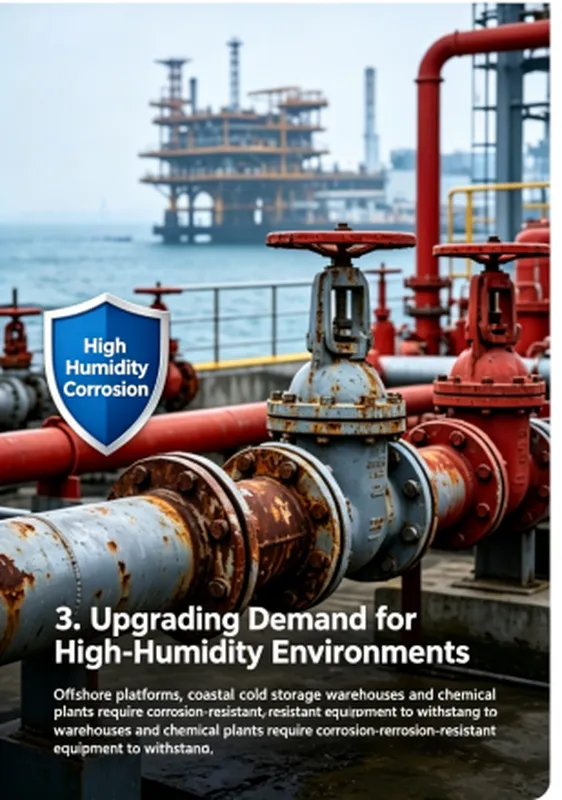
- Upgrades in High-Humidity Environments: Offshore platforms, coastal cold-storage warehouses, and chemical processing plants require corrosion-proof hardware capable of withstanding aggressive salt fog and humidity.
This solid market growth opens tremendous commercial opportunities for regional importers and hardware distributors. Winning long-term supply contracts requires a manufacturing partner capable of delivering certified, factory-treated corrosion-proof hardware.
Key Causes of Corrosion in Wet and Dry Fire Systems
Corrosion in fire sprinkler piping primarily stems from three internal and external sources:
1. Oxygen and Water Interface (Wet-Pipe Systems)
In wet-pipe networks, trapped air pockets create an ideal environment for oxygen corrosion. Dissolved oxygen in fresh water reacts with carbon steel, forming iron oxide rust flakes that clog sprinkler heads and reduce water flow.
2. Condensation and Residual Moisture (Dry-Pipe Systems)
Dry-pipe and pre-action systems use compressed air or nitrogen. However, moisture condenses inside low points of the pipe network. When trapped water meets compressed air, corrosion occurs up to five times faster than in fully flooded wet pipes.
3. Microbiologically Influenced Corrosion (MIC)
Bacteria entering through municipal water supplies feed on minerals inside the pipe. These bacteria form colonies on pipe walls, creating localized acidic deposits that eat pinholes directly through thick steel pipe walls.
Practical Engineering Steps: How to Prevent Corrosion in Fire Sprinkler Piping Systems
Preventing corrosion requires combining good system design, proper chemical treatment, and high-grade manufacturing hardware.
Install Automatic Air Release Valves: Mounting air vents at high points of wet-pipe networks removes trapped air pockets, eliminating the primary source of internal oxygen corrosion.
Transition to Nitrogen Inerting in Dry Systems: Replacing compressed air with 98%+ pure nitrogen in dry-pipe networks removes oxygen entirely, stopping internal rust formation.
Specify Epoxy Coated and Hot-Dip Galvanized Fittings: Ductile iron grooved fittings and malleable fittings with Fusion-Bonded Epoxy (FBE) or hot-dip galvanizing resist atmospheric moisture and internal pitting.
Select Resilient-Seated Valves with Stainless Steel Stems: Utilizing OS&Y gate valves with resilient rubber-encapsulated wedges prevents mineral buildup and rust scaling along critical valve seats.
Corrosion Protection Matrix: Material & Coating Guide for Fire Networks
| Hardware Category | Primary Protection Material / Coating | Corrosion Resistance Rating | Recommended Operating Environment |
| Epoxy-Coated Grooved Fittings | Ductile Iron (ASTM A536) + FBE Epoxy | High (Resists chemical & moisture exposure) | Commercial wet-pipe mainlines & pump rooms |
| Galvanized Malleable Fittings | Hot-Dip Galvanized Carbon Steel | High (Protects against rust & surface abrasion) | Exposed branch lines & high-humidity zones |
| Resilient Seated Gate Valves | Ductile Iron Body + Stainless Steel Stem | Very High (Prevents seat pitting & scale buildup) | Underground water supply & fire pump intake |
| Stainless Steel Flexible Hoses | Corrugated SS304 / SS316 Tube | Superior (Immune to interior oxygen rust) | Dropped ceiling sprinkler drops & tight voids |
Fluid Tech Group: Your Trusted Valve Manufacturer China
Sourcing durable, certified fire protection hardware requires an experienced manufacturing partner with full metallurgical control.
APEX (APEX FIRE TECH (TIANJIN) CO., LTD. is a core subsidiary of Fluid Tech Group.) is a premier fire valve manufacturer China and a trusted supplier of complete fire protection piping systems. Through our official portal, fireprotectionaccessories.com, we engineer, cast, coat, and export a complete line of UL/FM-certified ductile iron grooved fittings, malleable iron fittings, gate valves, check valves, fire flexible hoses, and pipe hangers to overseas buyers across South America, Australia, Europe, and the Middle East.
Why global procurement managers choose Fluid Tech Group:
Complete Certification Compliance: Our products carry verified UL, FM, ISO, and CE credentials, ensuring immediate local inspector approval.
Advanced Coating Technology: We operate in-house foundry casting, hot-dip galvanizing, and electrostatic FBE epoxy coating lines, enforcing strict salt-spray testing on every batch.
Consolidated Export Shipments: We pack valves, grooved couplings, flexible hoses, and pipe hangers into single container loads (FCL), drastically cutting ocean freight costs and import paperwork.
The global demand for reliable fire safety infrastructure is expanding fast. Partner with Fluid Tech Group to build a secure supply chain, protect your job sites from corrosion, and boost your commercial margins.
Contact our sales engineering team today to request product catalog!