.png)
.png)





balancing valve
Water balancing valve ensures precise flow regulation and balanced distribution in hydronic systems, enhancing efficiency across various water supply valve types applications. For sizing, customization, or technical assistance, contact us.
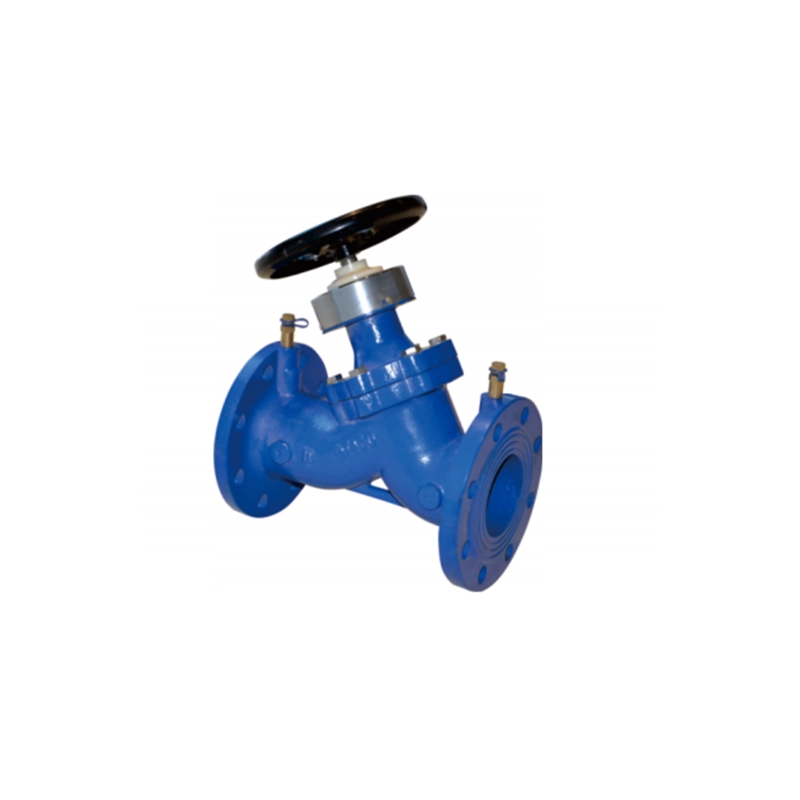
What Is a Water Balancing Valve and Its Role in System Efficiency
A water balancing valve is a specialized flow control device used to equalize and regulate water distribution in complex piping networks. As a key member of water supply valve types, balancing valves are essential in HVAC heating and cooling circuits, commercial plumbing systems, and industrial water loops where uniform flow distribution is critical for performance and energy optimization. Without proper balance, systems can experience uneven temperatures, increased pump wear, and higher operational costs due to inefficient circulation.
Among the most widely used models in this category is the precision balance valve. Its design allows engineers to fine-tune flow rates accurately, ensuring that each branch of a system receives the correct flow irrespective of pressure changes or varying demand conditions. This enhances comfort in building management systems, improves heat exchange efficiency in hydronic loops, and reduces strain on pumps and valves.
Key Features of Water Balancing Valve Types
Water balancing valves are engineered with performance, flexibility, and longevity in mind:
-
Precise flow control: Advanced internal mechanisms provide accurate adjustments, helping maintain target flow rates across sections of a system.
-
Easy installation and adjustment: Clear markings and accessible control elements simplify balancing during commissioning and maintenance.
-
Durable construction: Corrosion-resistant materials ensure reliable performance in potable water systems, HVAC circuits, and process water networks.
-
Compatibility with multiple systems: Works seamlessly with other water supply valve types like butterfly valves, gate valves, and check valves for comprehensive flow management.