







What Is a Non-Metallic Fabric Expansion Joint? A Practical Guide for Engineers and Buyers
febrero 9, 2026
In ducting and piping systems, movement is unavoidable. Temperature changes cause expansion and contraction. Equipment vibration transfers along the pipeline. Over time, these forces create stress at connection points.
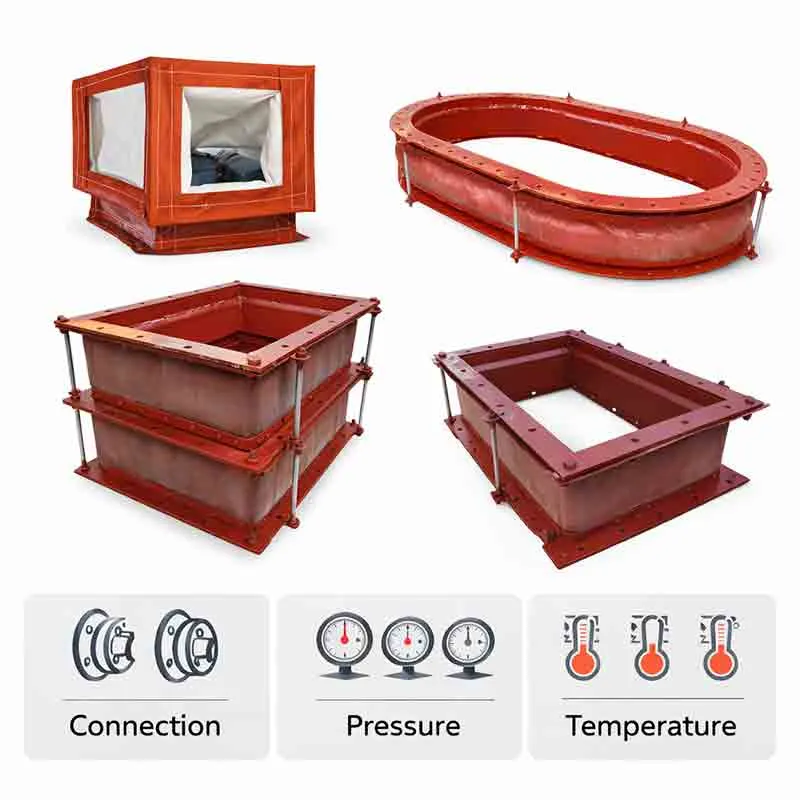
A Non-Metallic Expansion Joint works like a flexible connection between two sections of duct or pipe. Instead of resisting movement, it absorbs it. The softness of the fabric structure allows the joint to handle displacement, reduce vibration, and lower noise.
These joints are widely used in air ducts, flue gas systems, exhaust lines, and industrial ventilation. Compared with metal expansion joints, fabric types offer larger movement capacity and better resistance to corrosion from aggressive gases.
Understanding the structure helps explain why they perform so well.
Core Structure of a Fabric Expansion Joint
Although the outside looks simple, the internal structure is carefully layered. Each layer serves a specific function.
The outer fabric belt is the key component. It usually consists of multiple layers of high-performance materials such as silicone rubber, fluororubber, PTFE, and fiberglass cloth. These layers provide flexibility, sealing ability, and resistance to temperature and chemicals.
A stainless steel wire mesh is often added for reinforcement. It improves mechanical strength and prevents deformation during operation.
Inside the joint, a thermal insulation filler layer protects the outer fabric from direct exposure to high temperatures. This layer is critical in flue gas and exhaust systems.
A metal frame connects the joint to the duct or pipe on both sides. This frame may use flange connections or sleeve connections depending on the installation method.
This layered design allows the joint to remain flexible while surviving harsh operating conditions.

The Five Key Parameters Customers Must Provide for Proper Selection
Selecting the correct fabric expansion joint is not complicated, but it depends on five essential parameters. These factors directly affect service life and operational safety.
Temperatura
- Temperature is the most important factor. Different fabric materials have very different temperature limits.
- For low temperature applications below 200°C, silicone coated fabric is commonly used. It offers flexibility and good sealing performance.
- For medium temperature ranges between 200°C and 500°C, fluororubber or composite PTFE materials are more suitable. These materials resist both heat and chemical attack.
- For temperatures above 500°C, additional protection becomes necessary. A thick ceramic fiber insulation layer and an internal stainless steel sleeve are often required to shield the fabric from direct heat.
Presión
- Non-metallic expansion joints are typically used in low pressure or atmospheric systems such as air ducts and flue gas lines.
- In positive pressure systems, the strength of the fabric layers must be considered to prevent bulging.
- In negative pressure systems, such as induced draft fans, support rings or internal sleeves must be added. Without support, the fabric may collapse inward due to suction.
Media
What flows inside the duct or pipe is a critical question.
For normal air, standard materials are usually sufficient.
For acidic or alkaline gases, the inner layer of the fabric must have strong corrosion resistance. PTFE is a common choice in these environments.
If the gas contains a large amount of dust or particles, an internal flow sleeve is necessary. This prevents dust accumulation and reduces abrasion on the fabric surface.
Movement
The expansion joint must compensate for movement in multiple directions.
Axial movement occurs when the pipe expands or contracts in length.
Lateral movement happens when pipes shift sideways due to installation tolerance or structural movement.
Angular movement appears when the connection changes angle slightly during operation.
One major advantage of non-metallic joints is their ability to absorb large movements in several directions at the same time.
Método de conexión
Connection type affects installation and sealing performance.
Flange connections are common and easy to install. They provide reliable sealing and are suitable for most duct systems.
Sleeve or clamp connections are often used on round ducts. They allow faster installation and lower cost, especially in ventilation systems.
Comparison of Fabric Materials Used in Expansion Joints
Different materials serve different working conditions. The table below provides a simple comparison.
| Fabric Material | Temperatura | Chemical Resistance | Flexibility | Typical Application |
| Silicone Coated Fabric | < 200°C | Moderate | Very good | Ventilation and air ducts |
| Fluororubber Fabric | 200°C – 400°C | Bien | Bien | Industrial exhaust systems |
| PTFE Composite | 200°C – 500°C | Excellent | Moderate | Corrosive flue gas |
| Fiberglass with Ceramic Layer | > 500°C | Moderate | Bien | High temperature flue gas |
This comparison helps customers quickly understand why material choice cannot rely on temperature alone.
Why Non-Metallic Expansion Joints Are Widely Used in Duct Systems
Rectangular Non-Metallic Expansion Joint are strong but limited in movement and prone to corrosion in acidic environments. Fabric expansion joints solve these issues.
They allow large displacement without transferring stress to the duct. They resist corrosion from flue gas and chemicals. They also reduce vibration and noise generated by fans and blowers.
For many industrial duct systems, fabric expansion joints are not only an option but a practical necessity.
Final Thoughts
A non-metallic fabric expansion joint may look simple from the outside, but its performance depends on correct material layering and proper selection based on real operating conditions.
By focusing on the five key parameters—temperature, pressure, media, movement, and connection method—engineers and buyers can select the right joint with confidence.
At Fuid Tech Group, we support customers by matching expansion joint designs to actual working environments, helping systems operate safely and reliably for the long term