






Fire Protection Pipe Schedule vs Pressure Rating: What Engineers Need to Know
septiembre 7, 2026
When a fire protection project is still on paper, pipe specifications can look like a small technical detail.
Then the materials arrive on site.
An engineer discovers that the pipe schedule does not match the original specification. A contractor asks whether the selected pipe can handle the system pressure. A purchasing team compares two quotations and finds that the pipes have similar sizes but different wall thicknesses.
This is where a simple misunderstanding can become an expensive problem.
For válvulas de protección contra incendios systems, pipe selection is not only about diameter. Engineers also need to understand pipe schedule, wall thickness, pressure rating, connection type, material, and the requirements of the applicable fire protection standard.
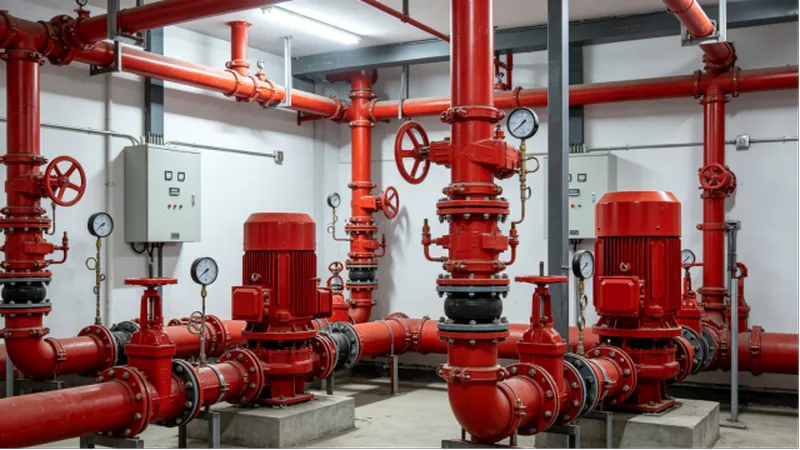
Two pipes with the same nominal size can have different wall thicknesses. At the same time, two components with similar pressure ratings may have very different construction and application requirements.
For international buyers, understanding these differences also makes it easier to evaluate pipe fittings, valves, and suppliers before placing an order.
What Does Pipe Schedule Mean?
Pipe schedule is mainly a way of identifying the wall thickness of a pipe.
Common designations include Schedule 10, Schedule 40, Schedule 80, and other schedules depending on the pipe standard and market.
For a given nominal pipe size, a higher schedule generally means a thicker pipe wall. A thicker wall can provide greater mechanical strength, but it does not automatically mean that the pipe is approved for every high-pressure application.
This point is often overlooked.
For example, an engineer cannot simply say, “Schedule 40 is always better than Schedule 10.” The correct choice depends on the system design, pipe material, nominal size, operating pressure, temperature, applicable standard, joining method, and project requirements.
In fire protection systems, the pipe must work as part of a complete system. The sprinkler heads, fittings, valves, couplings, supports, and other components must also be compatible with the design.
What Is Pressure Rating?

Pressure rating tells us how much pressure a component is designed or approved to withstand under specified conditions.
It may be expressed in PSI, bar, MPa, or another unit depending on the market and standard.
Pressure rating is particularly important when selecting valves and fittings because these components connect different parts of the piping network. A pipe may have one set of mechanical characteristics, while a valve, coupling, flange, or fitting has its own pressure limitations.
This is why engineers should never use pipe schedule as a direct substitute for pressure rating.
A Schedule 80 pipe is not automatically a “high-pressure system,” just as a Schedule 10 pipe should not automatically be considered unsuitable. The actual allowable pressure must come from the relevant pipe specification, material, dimensions, design conditions, and applicable standard.
For a fire protection project, the safest approach is to check the complete specification instead of relying on one number.
Pipe Schedule vs Pressure Rating: The Key Difference
The easiest way to understand the difference is this:
Pipe schedule describes the pipe wall thickness category, while pressure rating describes the pressure capability of a component under defined conditions.
They are related, but they are not the same thing.
| Artículo | Pipe Schedule | Presión nominal |
| Main purpose | Identifies pipe wall thickness | Indicates pressure capability |
| Common examples | Schedule 10, 40, 80 | PSI, bar, MPa |
| Mainly used for | Pipe specifications | Valves, fittings, flanges, and other pressure components |
| Directly indicates system pressure? | No | More directly related |
| Affected by material? | Sí | Sí |
| Affected by temperature? | Indirectly | Often yes |
| Should engineers check the standard? | Sí | Sí |
| Can one replace the other? | No | No |
The table is useful as a quick reference, but engineers should still check the actual product standard and manufacturer’s technical documentation before final selection.
Why This Matters in Fire Protection Systems
Fire protection piping has one job that cannot be compromised: when the system is needed, water must reach the right location at the required flow and pressure.
The system may remain unused for months or even years. That does not mean the components can be selected casually.

A sprinkler system can include long pipe runs, branch lines, control valves, check valves, alarm valves, couplings, flanges, and numerous fittings.
Every connection creates another point where compatibility and pressure performance matter.
Incorrect pipe selection can create several problems.
The pipe may not meet the project specification. The wall thickness may not be suitable for the intended application. A connection may not match the selected fitting. In some projects, the products may also need specific certification or approval.
This is one reason experienced engineers pay attention to the entire supply chain rather than looking only at the pipe price.
How Engineers Should Select Fire Protection Pipe
A practical selection process can start with five questions.
1. What standard does the project follow?
First identify the required standard and local regulations.
A project in North America may follow different requirements from one in Australia, Europe, South America, or the Middle East. The purchasing specification should make this clear before materials are ordered.
2. What pressure does the system require?
Determine the design pressure and any relevant testing pressure.
Do not select components based only on normal operating pressure. The complete system design and applicable testing requirements need to be considered.
3. What material is specified?
Carbon steel, stainless steel, ductile iron, and other materials have different properties.
Material selection also affects corrosion resistance, joining methods, weight, cost, and service life.
4. How will the pipe be connected?
Grooved, threaded, flanged, welded, and other connection methods have different requirements.
For example, a grooved fire protection system needs compatible pipe, couplings, fittings, and valves. The components must work together as one system.
5. Does the product have the required approval?
For many fire protection projects, certification and approval can be just as important as dimensions.
Depending on the market and project, buyers may require products with recognized approvals such as UL or FM.
This is especially important when purchasing from overseas suppliers. A low quotation has little value if the product cannot pass project inspection.
What Should International Buyers Look for in a Supplier?
The difference between a good supplier and an average supplier often becomes obvious after the order is placed.
A professional válvula reductora de presión supplier should be able to discuss pipe dimensions, pressure requirements, material, standards, certifications, connection types, packaging, and delivery before production starts.
For companies sourcing from China, choosing an experienced valve manufacturer China can also simplify the purchasing process. The supplier should understand that valves are part of a larger piping system rather than isolated products.
The same applies to fire protection pipe fittings and related components.
At Fluid Tech Group, we work with overseas customers on fire protection and fluid piping projects. Our product range includes fire protection fittings, pipe fittings, valves, flanges, grooved products, and other pipeline components.
Our goal is straightforward: help customers select products that match their actual project requirements, then provide stable supply and clear technical information.
Looking Ahead: Why Better Pipe Selection Will Matter More
The fire protection industry continues to benefit from construction, industrial development, infrastructure investment, warehouse expansion, and stricter safety expectations.
Large commercial buildings and industrial facilities are becoming more complex. Fire protection systems therefore need reliable components that can perform consistently over long service periods.
For engineers and buyers, this means product selection will become more detailed rather than simply more expensive.
Understanding the difference between pipe schedule and pressure rating is a basic but important step.
Schedule helps engineers understand pipe wall thickness. Pressure rating helps define the pressure capability of components under specified conditions. Neither should be used alone to judge whether a product is suitable for a complete fire protection system.
When the pipe, fittings, valves, connections, and certifications are selected together, the result is a system that is easier to specify, install, inspect, and maintain.
For international customers looking for a reliable partner in fire protection piping and valves, Fluid Tech Group continues to build its business around this practical approach: understand the requirement, supply the right components, and support customers for the long term.