







fire sprinkler riser manifold
The fire sprinkler riser manifold from APEX Valves is engineered for efficient water distribution and dependable fire protection system control. Designed to integrate seamlessly with modern fire networks, it enhances installation efficiency and operational safety. For project inquiries or technical support, please contact us or explore our complete range of fire protection valve solutions.
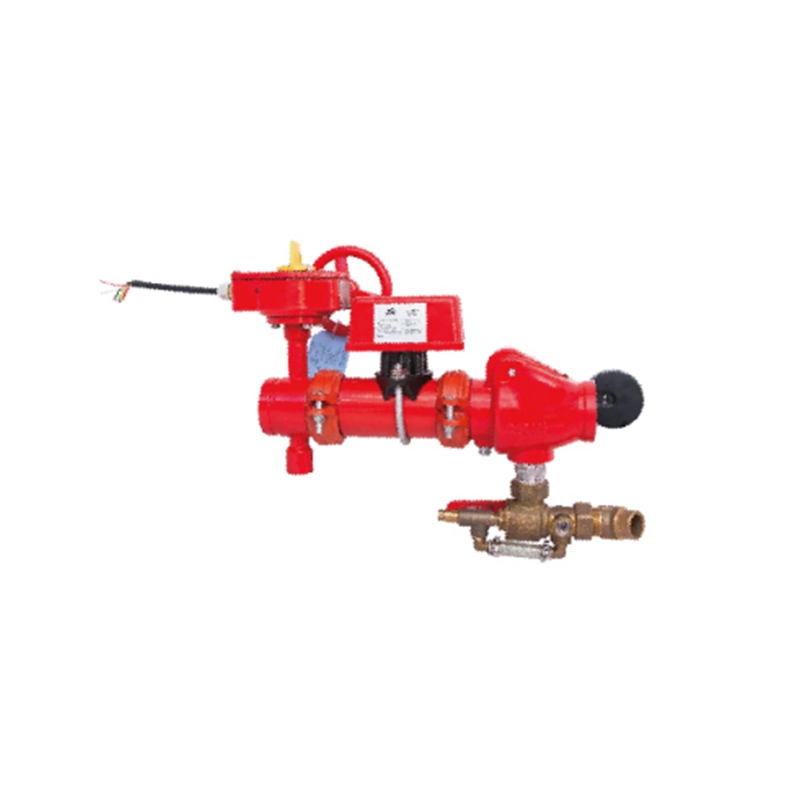
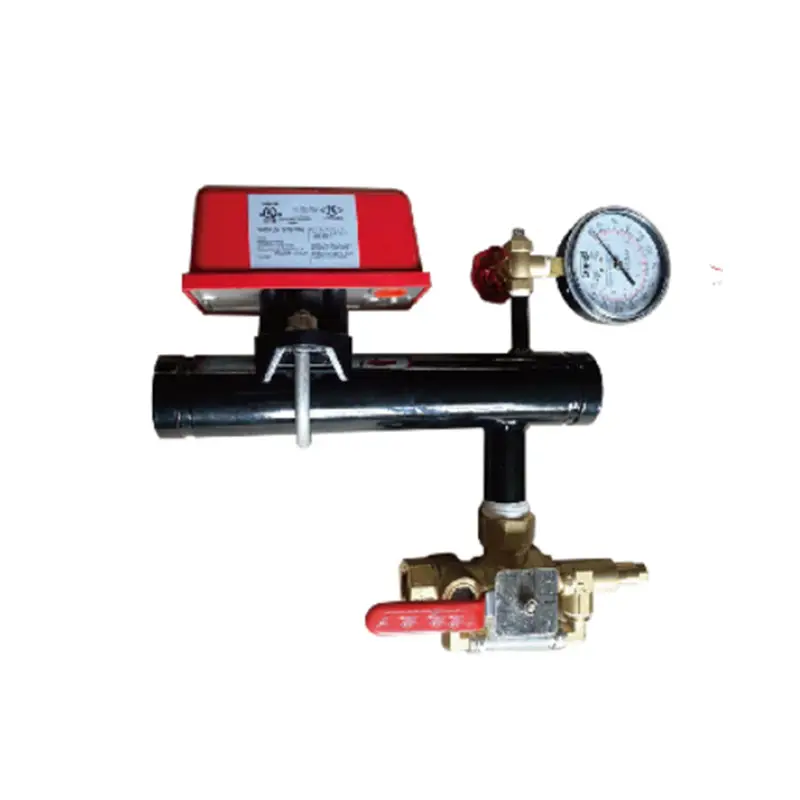
Fire Sprinkler Riser Manifold – Optimized for Modern Fire Systems
-
Compact manifold layout reduces vertical piping complexity
-
Centralized control improves system organization and accessibility
-
Durable construction ensures long-term pressure stability
-
Suitable for commercial, industrial, and high-rise applications
APEX Valves’ fire sprinkler riser manifold is designed to simplify fire sprinkler system architecture while maintaining high performance. By integrating multiple outlet connections into one assembly, it allows installers to manage water flow more efficiently across different fire zones. This approach not only saves space but also improves inspection and maintenance efficiency.
The riser manifold works as part of a broader Valve Manifold solution, helping engineers achieve a cleaner and more reliable fire protection layout. Each unit is precision-manufactured to ensure consistent sealing performance under demanding operating conditions.
Performance Advantages Backed by APEX Valves Expertise
-
High compatibility with various fire fighting valve types
-
Designed for stable operation during emergency activation
-
Reduced leakage risk through reinforced joint connections
-
Factory-tested for quality assurance and reliability
As a trusted brand in fire protection, APEX Valves focuses on delivering products that perform when safety is critical. The fire sprinkler riser manifold is engineered to work seamlessly with downstream fire fighting valve components, ensuring smooth water delivery and system responsiveness during fire events.
Compared with traditional piping assemblies, this manifold-based design reduces installation errors and improves overall system durability. It also supports flexible system expansion, making it ideal for evolving building requirements and future upgrades.