







flexible joint rubber
The flexible joint rubber solutions from APEX Valves are designed to absorb vibration, reduce pipeline stress, and improve system reliability in fire protection and water supply applications. These products support long-term stable operation in demanding environments. For technical consultation or project support, please contact us or explore our full range of fire protection valve solutions.
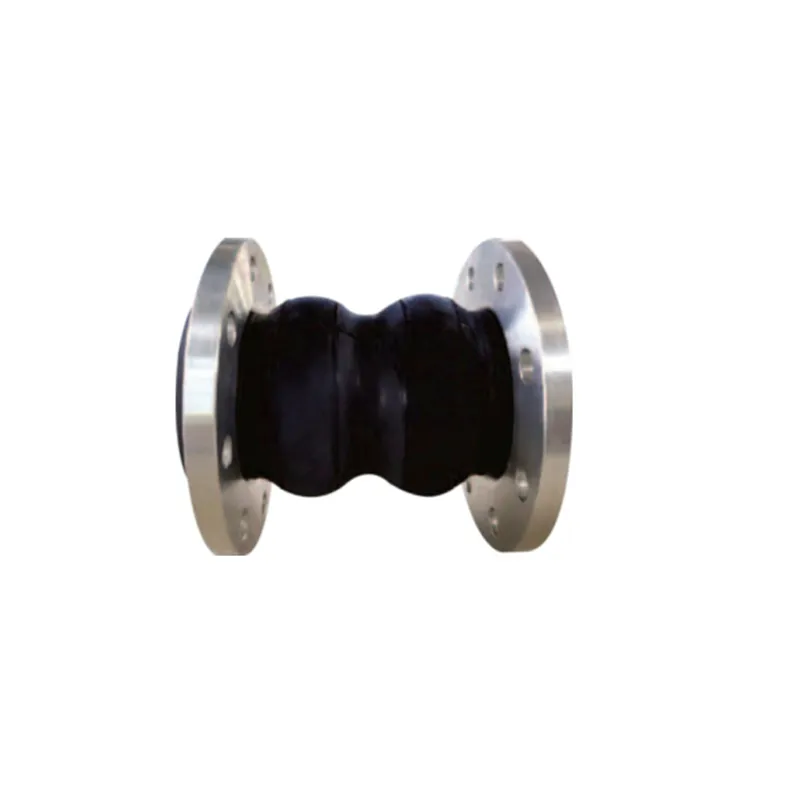
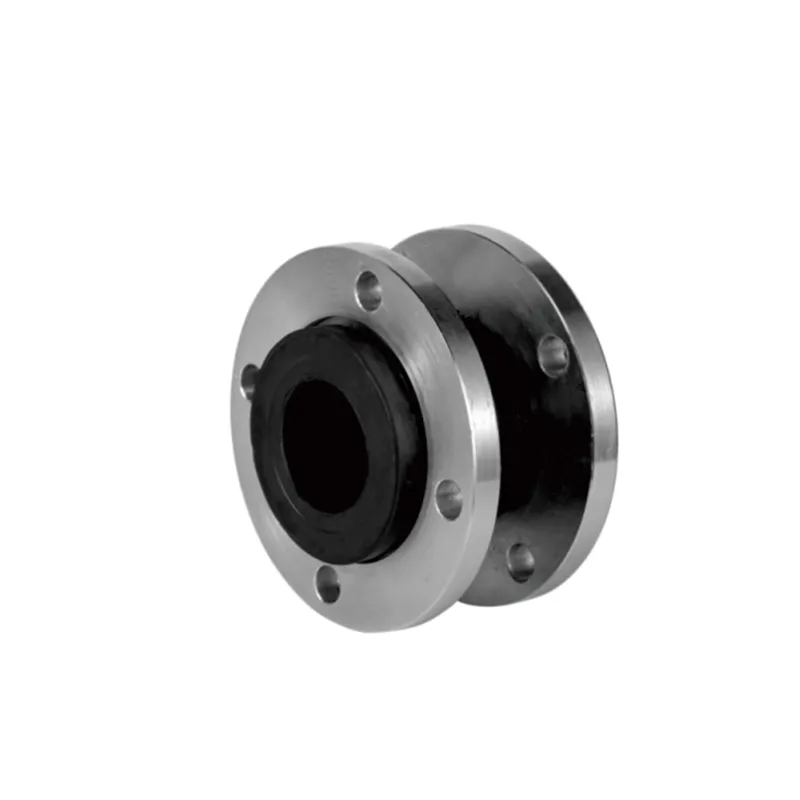
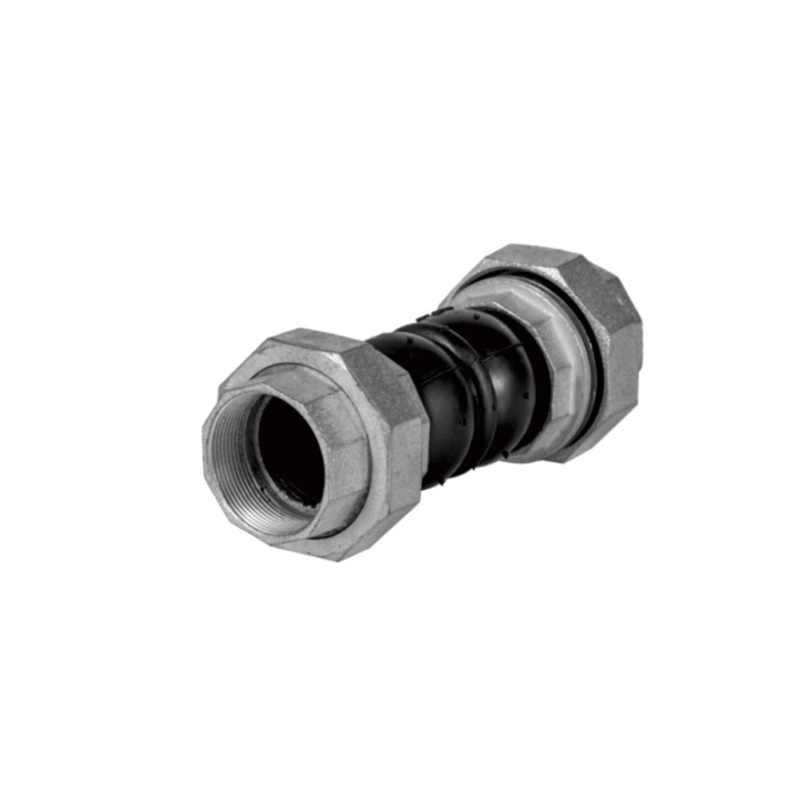
Flexible Joint Rubber for System Stability
-
Effectively absorbs vibration and operational noise
-
Compensates for thermal expansion and pipeline displacement
-
Reduces stress on connected valves and rigid piping
-
Suitable for fire protection, HVAC, and water systems
APEX Valves flexible joint rubber products are engineered to protect pipelines from movement caused by pressure fluctuation, temperature change, or equipment vibration. Installed between rigid pipe sections, they help maintain sealing integrity while minimizing maintenance risks.
Manufactured with high-quality elastomer materials and reinforced structures, each joint delivers excellent elasticity and durability. As part of a complete Flexible Rubber Joint solution, these products are widely applied in pump rooms, fire sprinkler systems, and municipal infrastructure projects where reliability is essential.
Performance Advantages in Fire & Water Applications
-
Compatible with various water supply valve types
-
Strong resistance to pressure, corrosion, and aging
-
Easy installation using standard flange connections
-
Extends the service life of valves and pipelines
The flexible joint rubber from APEX Valves is designed to operate seamlessly with different water supply valve types, ensuring smooth flow control while reducing mechanical stress on critical system components. This makes it an ideal choice for fire protection systems, where stable water delivery and structural safety are key requirements.
Compared with rigid pipe connections, flexible rubber joints provide greater tolerance to movement and misalignment, helping prevent leaks and premature valve failure. They also support future system upgrades and layout adjustments without extensive pipeline reconstruction, delivering both technical and economic value.