






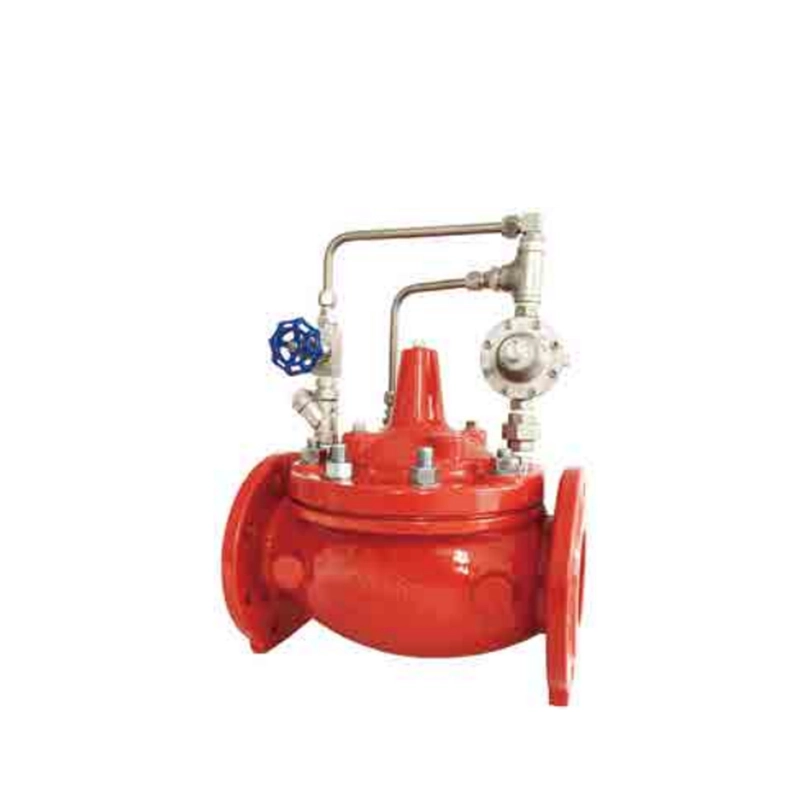
pressure reducing valve for fire sprinkler system
A pressure reducing valve for fire sprinkler system is designed to control excessive inlet pressure and protect downstream sprinkler components. For technical support, please contact us.
Stable Pressure Control in Fire Sprinkler Networks
A pressure reducing valve for fire sprinkler system is a critical component used to maintain safe and consistent water pressure within fire protection pipelines. In high-rise buildings or zones with elevated supply pressure, uncontrolled pressure can damage sprinklers, fittings, and monitoring instruments. Pressure reducing valves automatically regulate outlet pressure, ensuring system stability and compliance with fire safety standards.
Within a complete fire protection network, these valves work in coordination with other fire valves to balance flow and pressure across different system zones. By preventing overpressure conditions, they help reduce leakage risks and extend the service life of downstream equipment.
Engineered for Fire Protection Reliability
A dedicated fire sprinkler pressure reducing valve is engineered to respond quickly to pressure fluctuations while maintaining consistent outlet performance during standby and emergency operation. Precision internal components allow smooth pressure adjustment without compromising flow capacity, ensuring reliable sprinkler activation when fire events occur.
Performance Value and System Efficiency
Using a pressure reducing valve in fire sprinkler systems improves overall system efficiency and operational safety. By stabilizing pressure levels, it minimizes water hammer, reduces noise, and ensures uniform sprinkler discharge. This controlled performance is especially important in complex systems with multiple pressure zones.
Beyond safety benefits, well-designed pressure reducing valves contribute to cost efficiency by lowering maintenance needs and preventing premature component failure. When selected correctly, they enhance the reliability of fire sprinkler systems while supporting long-term operational savings.