






Backflow Preventer vs. Check Valve: What’s the Difference? A Practical Guide for Global Buyers
April 20, 2026
When clients ask about pipeline safety, one question comes up again and again:
Should I use a check valve or a backflow preventer?
At first glance, these two products look similar. Both control flow direction. Both protect systems. But in real projects, they serve different purposes—and choosing the wrong one can lead to serious issues.
For buyers working with fire fighting valves manufacturer and sourcing products in wholesale, understanding this difference is not just technical knowledge. It directly affects project performance, compliance, and long-term cost.
In this guide, we’ll break it down in a simple way, based on real industry practices.
What Does a Check Valve Actually Do?
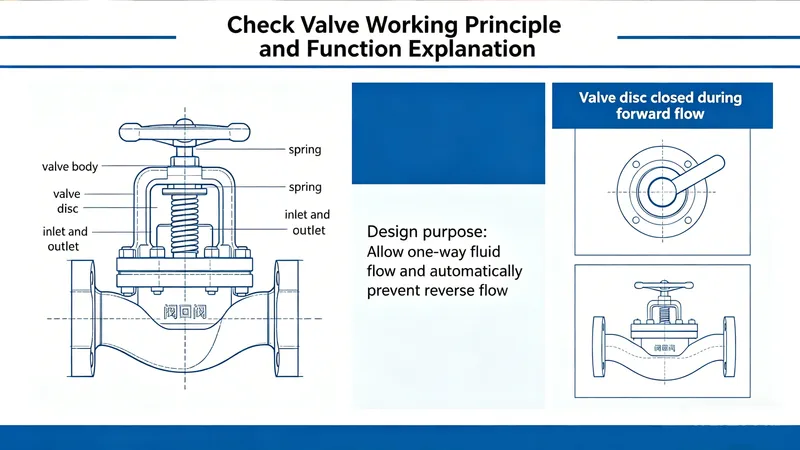
A check valve is designed to allow flow in one direction and stop reverse flow automatically.
It works based on pressure. When fluid flows forward, the valve opens. When flow stops or reverses, it closes.
That’s it. Simple, reliable, and widely used.
You’ll typically find check valves in:
- Fire protection systems
- Water pumps and pipelines
- Irrigation systems
- Industrial fluid control
Because of its simple structure, a check valve is:
- Easy to install
- Low maintenance
- Cost-effective for large projects
This is why many wholesale buyers prefer it for general applications.
What Is a Backflow Preventer?
A backflow preventer does more than just stop reverse flow.
Its main job is to protect water from contamination.
In some cases, water can flow backward and carry pollutants, chemicals, or bacteria into clean water systems. A standard check valve may not be enough to stop this.
Backflow preventers are designed with extra safety features, such as:
- Multiple internal valves
- Pressure zones
- Air gaps or relief mechanisms
These systems are commonly required in:
- Municipal water supply
- Commercial buildings
- Healthcare facilities
- High-risk industrial systems
In many countries, using a backflow preventer is not optional—it’s required by regulation.
The Real Difference (Not Just Theory)
In real-world projects, the difference is not only about structure, but also about risk level.
A check valve handles basic flow control.
A backflow preventer handles system safety and contamination prevention.
Here’s a clearer comparison:
| Feature | Check Valve | Backflow Preventer |
| Main Function | Prevent reverse flow | Prevent contamination |
| Complexity | Simple structure | More complex design |
| Cost | Lower | Higher |
| Maintenance | Minimal | Regular inspection required |
| Application | General systems | High-risk or regulated systems |
| Certification Needed | Usually not strict | Often required |
For many buyers, the decision comes down to application and local standards.
Why This Matters for Wholesale Buyers
From our experience working with international clients, this is where many projects go wrong.
Some buyers choose check valves to save cost, but later find that:
- The system does not meet local regulations
- Additional devices are required
- Installation becomes more complicated
On the other hand, using a backflow preventer where it’s not needed can increase project cost unnecessarily.
So the key is balance.
When sourcing from Chinese manufacturers, it’s important to:
- Clearly define your application
- Understand local compliance requirements
- Choose the right product, not just the cheaper one
A good supplier should help you make that decision, not just sell products.
Industry Growth: Why Demand Is Increasing
The demand for both check valves and backflow preventers is growing steadily.
We see this trend clearly in international markets.
Main drivers include:
- Expansion of urban infrastructure
- Increasing focus on water safety
- Stricter building and fire protection regulations
- Growth in industrial and agricultural projects
Especially in developing regions, governments are investing more in water systems. This leads to higher demand for reliable flow control products.
For distributors and wholesalers, this means one thing:
the market is stable, and the long-term demand is strong.
How to Choose the Right Product
If you are sourcing for a project, here are some practical suggestions:
Choose a Check Valve when:
- The system only needs basic backflow prevention
- Cost control is important
- The application is low-risk
Choose a Backflow Preventer when:
- Water safety is critical
- Local regulations require it
- There is risk of contamination
If you’re not sure, always check local standards or consult your supplier.
About Fuid Tech Group
At Fuid Tech Group, we supply a full range of piping and valve products to global clients.
We work closely with distributors, contractors, and project buyers. Many of our clients come from South America, Southeast Asia, and the Middle East.
What we focus on is simple:
- Stable product quality
- Clear communication
- Support for wholesale orders
- Competitive pricing from experienced Chinese manufacturers
We understand that for our clients, it’s not just about buying products. It’s about making sure the project runs smoothly.
Final Thoughts
The difference between a check valve and a backflow preventer is not complicated—but it is important.
Making the right choice helps you:
- Avoid compliance issues
- Reduce long-term costs
- Deliver better results to your customers
As global demand for water safety and infrastructure continues to grow, both products will remain essential in the market.
If you are looking for a reliable wholesale fire protection system supplier from China, Fuid Tech Group is ready to support your business with practical solutions and consistent quality.