







What Affects Fire Valve Prices in Global Projects?
junio 29, 2026
A contractor in Dubai called me last month. He needed 200 gate valves for a new hotel. He had three quotes. One from Europe: $180 per valve. One from China: $95. One from India: $78. He chose the cheapest.
Six months later, he called again. The Indian valves leaked. The stems seized. The hotel inspector failed the system.
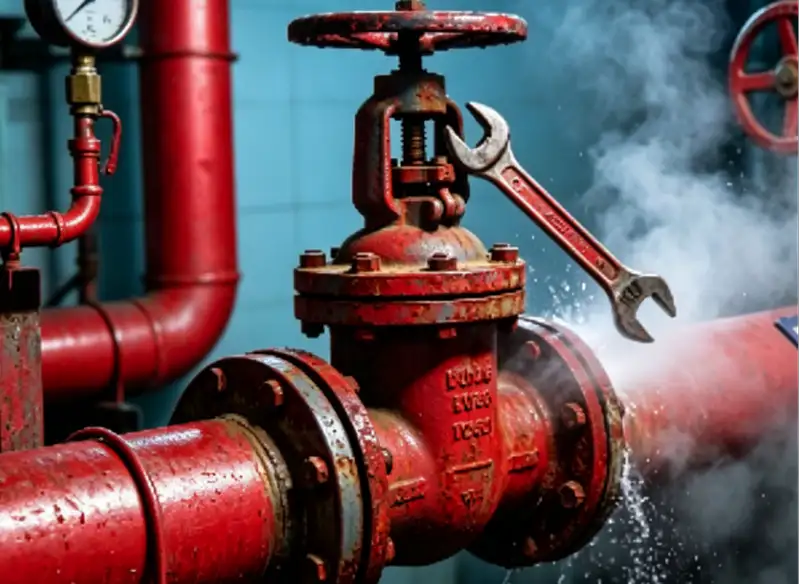
He spent $120 per valve to replace them – plus labor, plus shipping, plus three weeks of delays.
He learned a hard lesson. Fire valve price is not just the number on the invoice. It is the total cost of getting the right product to your site, on time, and working.
At Fluid Tech Group, we see this every day. Buyers focus on price per piece and miss the bigger picture. This article breaks down what actually drives fire valve costs in global projects. I will share data from three industry reports and explain why the cheapest quote is often the most expensive choice.
The market is big and growing – but prices are under pressur
Let me start with the numbers. The global fire system valve market was valued at USD 3.12 billion in 2024. It is projected to reach USD 5.78 billion by 2033, growing at a CAGR of 7.5%. Other estimates put the 2024 market at USD 2.01 billion, expected to reach USD 3.8 billion by 2035.
That is strong growth. More projects. More valves. More demand.
But here is the catch. The market is also facing serious price pressure. The LinkedIn report identifies pricing transparency gaps as a major challenge. Buyers struggle to access real-time pricing intelligence. Suppliers lack visibility into competitive benchmarks. This opacity makes it hard to know if you are paying a fair price or getting overcharged.
At the same time, supply chain disruptions are pushing costs up. Raw material shortages, logistical delays, and geopolitical tensions cause project delays and increased costs. Tariffs on steel and aluminum – key materials for valve manufacturing – add another layer of cost pressure.
So the market is growing. But prices are not stable. Understanding what drives those prices helps you make smarter buying decisions.
Five factors that drive fire valve prices
Here is a summary table based on the three reports and our own experience.
The bottom line: price per valve is only one piece of the puzzle. The total cost includes shipping, customs, installation, maintenance, and replacement.

Tariffs – the hidden cost driver many buyers overlook
Tariffs are changing the valve industry. The impact is real and growing.
In 2025, steel imports face a 25% tariff, and aluminum imports face a 10% tariff. These materials are essential for valve manufacturing. The result? Production costs go up. Manufacturers have two choices: absorb the cost or pass it to customers.
The ripple effect is significant. Nearly 80% of industrial valves come from China, the European Union, and India. Tariff rates vary from 10% to 30% depending on the country and product. Manufacturers, distributors, and end users are already seeing price increases ranging from 10% to 50% or more.
The impact goes beyond price. Tariffs also cause supply chain disruptions. Companies need to find new suppliers. The constant changes create uncertainty. Buyers pause their medium and long-term plans.
For the fire protection system market specifically, tariffs have increased the cost of stainless steel, control panels, and valves. This has caused cost fluctuations, supply chain disruptions, and slowed project timelines.
What does this mean for you? If you are sourcing valves globally, you need to factor tariffs into your total cost. A valve that looks cheap from one country may become expensive after import duties. And tariffs change – what is true today may not be true next quarter.
Certifications and standards – you pay for proof
Válvulas antiincendios are life-safety equipment. They must work when fire happens. That is why certifications matter.
The LinkedIn report highlights regulatory and certification barriers as a major challenge. Stringent safety standards and certification requirements vary across regions. Navigating these regulations creates compliance costs. Companies must invest in testing, documentation, and ongoing audits.
The Triones Fluid article makes a similar point. Fire valves need to meet industry standards for safety and performance. Not every product hits those marks. Choosing the right valve requires careful consideration of material, size, pressure ratings, and certifications.
Certified valves cost more. UL, FM, CE, and ISO certifications require investment in testing, quality control, and documentation. But they also give you proof that the valve meets safety standards. Uncertified valves are cheaper – until they fail inspection, leak under pressure, or cause a project delay.
The total cost of ownership – why cheap valves are expensive
Here is the truth that many buyers learn the hard way. The cheapest valve is rarely the cheapest overall.
Consider this scenario:
| Cost component | Cheap valve | Quality valve |
| Unit price | $80 | $120 |
| Shipping and tariffs | $25 | $25 |
| Instalación | $15 | $15 |
| Replacement within 2 years | $80 | $0 |
| Project delay costs | $500 | $0 |
| Total cost | $700 | $160 |
This is not an exaggeration. I have seen contractors spend more on rework and delays than they saved on the initial purchase.
The Triones Fluid article warns: “Investing in the right fire valves isn’t just about compliance – it’s about making sure your safety systems actually work when you need them most”. And the LinkedIn report notes that procurement inefficiencies, lack of supplier transparency, and quality inconsistencies lead to project delays and increased costs.
What Fluid Tech Group does differently
We are not the cheapest fire valve supplier. We do not pretend to be. But we are honest about what you get.
- We manufacture to ASME, ISO, and EN standards – not vague “equivalents.”
- We provide test reports and material certificates with every shipment – no chasing.
- We keep stock for popular sizes – so you do not wait 16 weeks.
- We answer emails within 24 hours – even after you pay.
- We help you navigate tariffs and shipping – so there are no surprises.
The fire valve market is growing. Your projects need reliable products. Do not let a cheap price tag cost you more in the long run.
Your next step
Send us your valve requirements. Include size, pressure rating, certification needs (UL, FM, CE), and quantity. We will reply with a clear quote – including material, lead time, and documentation.
Fluid Tech Group
Fire valves – priced fair, built right, backed by proof