







How Do Fire Sprinkler Valves Work? A Complete Guide
February 3, 2026
Fire sprinkler systems are the first line of defense for buildings against fires—and fire sprinkler valves are the heart of these systems. They control water flow and make sure activation happens right when it’s needed. Even the best sprinkler heads are useless if valves don’t work properly. This guide walks you through how these fire sprinkler pressure reducing valve operate, breaks down the most common types, and points out key differences to help you grasp their role in keeping spaces safe.
The Basic Working Principle of Fire Sprinkler Valves
Fire sprinkler valves manage water flow in sprinkler systems, switching between two key states: standby and activation. Normally, they stay closed (or sealed) to keep water out of the sprinkler network when it’s not needed. When a fire starts, the valve kicks into gear automatically, sending water to the affected area. How it triggers depends on the valve type—usually pressure shifts, temperature sensors, or alarm signals.
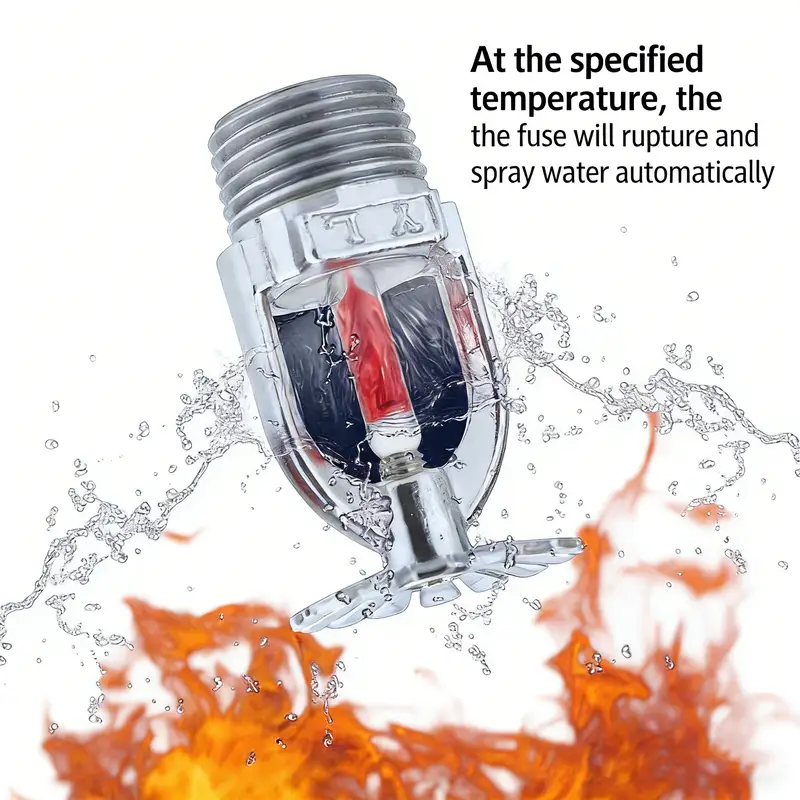
All these valves share a simple core design: a disc or flap that seals off the water supply. This seal holds until something disrupts the balance between water pressure (from the supply side) and the valve’s closing force—think springs, air pressure, or electric locks. Once triggered, the valve opens fully or partially, funneling water through pipes to the sprinkler heads that need it.
Common Types of Fire Sprinkler Valves and Their Operation
Different buildings need different sprinkler setups, and valves are tailored to match. Below are the three most widely used types, each with its own way of working.
1. Wet Pipe Valves
Wet pipe valves are by far the most common—they’re in 70% of sprinkler systems worldwide. They work best in spaces where temperatures stay between 4°C and 70°C: offices, malls, homes—anywhere freezing or water evaporation isn’t a risk.
In standby mode, the alarm valve fire sprinkler system keeps the entire sprinkler network filled with pressurized water. A small bypass and check valve maintain pressure balance, stopping accidental leaks. When a fire heats a sprinkler head’s glass bulb to its breaking point (usually 68°C to 93°C), the bulb cracks, releasing water and dropping pressure in the network.
This pressure drop lifts the valve disc, opening two paths: one for water to reach the sprinklers, and another to set off the alarm. The alarm path triggers a hydraulic bell (loud enough—70dB+ at 3 meters) and a pressure switch. That switch alerts the fire department and fires up the fire pump to keep water flowing steadily.
2. Dry Pipe Valves
Dry pipe valves are for extreme temperatures—below 4°C or above 70°C. Think cold storage warehouses, unheated garages, or industrial furnaces. Instead of water, they fill the sprinkler network with compressed air or nitrogen to avoid freezing or boiling.
Standby mode relies on pressure balance. Supply water pushes one side of a differential valve disc, while compressed air (0.05MPa for 0.3MPa water pressure) pushes the other. This balance keeps the valve shut tight. When a sprinkler head activates, air escapes, and network pressure drops fast.
The pressure imbalance forces the valve open. An accelerator speeds up air release, cutting water fill time from 90 seconds to under 30. Water then pushes out any remaining air and flows to the sprinklers. That small delay is a trade-off for keeping the network safe from extreme temps.
3. Preaction Valves
Preaction valves blend the best of wet and dry systems, perfect for spaces where water damage is a big risk—data centers, museums, libraries. They use a “double safety” setup to prevent accidental water release.
In standby mode, the network stays dry, and the valve stays locked closed. Activation needs either two signals (double interlock) or one (single interlock). For double interlock systems, both a fire detector (smoke or heat) and a pressure drop from a broken sprinkler have to trigger the valve.
Once activated, the valve fills the network with water, turning it into a wet system. The sprinkler head then breaks at its set temperature, releasing water. Some models even recycle—closing once the fire’s out and reopening if flames come back.
Key Differences Between Common Fire Sprinkler Valves
Picking the right valve comes down to your environment, how fast you need it to respond, and the risk of water damage. The table below compares the core features of wet, dry, and preaction valves:
| Feature | Wet Pipe Valve | Dry Pipe Valve | Preaction Valve |
| Standby State | Network filled with pressurized water | Network filled with compressed air/nitrogen | Dry network; valve locked closed |
| Activation Trigger | Pressure drop from broken sprinkler head | Air pressure loss from broken sprinkler head | Fire detector + pressure drop (double interlock) or detector alone (single interlock) |
| Response Speed | Immediate (no delay) | Delayed (30-90 seconds for air displacement) | Near-immediate (after signal; network fills quickly) |
| Ideal Environment | 4°C to 70°C (offices, homes, malls) | <4°C or >70°C (cold storage, high-temp factories) | Water-sensitive spaces (data centers, museums) |
| Core Advantage | Simple design, low maintenance, fast response | Freeze/heat resistance, no water in network | Prevents accidental discharge, dual safety |
Maintenance and Selection Tips for Fire Sprinkler Valves
Fire sprinkler valves need regular inspections to stay reliable. For wet valves, test pressure balance and alarm triggers every quarter. Dry valves require monthly air pressure checks to stop leaks. Preaction valves need annual detector calibration and seal checks to keep their interlock working right.
When choosing a valve, start with your building’s environment. For most commercial spaces, wet pipe valves strike the best balance of performance and cost. Extreme temps call for dry valves, while water-sensitive areas benefit from preaction systems. Always follow local fire codes—like China’s GB50084-2017—and lean on a trusted supplier for custom solutions.

At Fluid Tech Group, we craft high-quality valves built specifically for fire valve of all kinds. Our components meet global safety standards, so you can count on them when it matters most. Whether you need wet, dry, or preaction valves, our team will help you find the perfect fit for your project.