







When Are Fire Safe Valves Required?
January 19, 2026
Fire safe valves are critical components in systems where the control of flammable fluids or gases must remain reliable during and after exposure to fire. A fire valve is designed to maintain structural integrity, sealing performance, and operational safety under extreme heat, preventing catastrophic leakage that could escalate a fire or endanger personnel and assets.
In many industrial environments, fire hazards are not hypothetical risks but predictable scenarios. For this reason, regulatory bodies, engineering standards, and insurance requirements often mandate the use of fire safe valves in specific applications where fire exposure could lead to severe consequences.
Understanding the Role of Fire Valves in Fire Protection
A fire valve is engineered to perform under conditions that exceed normal operating parameters. During a fire, conventional valves may lose sealing capability as soft materials degrade. Fire safe valves are built with metal-to-metal sealing designs and fire-resistant structures that limit leakage even after non-metallic components are destroyed.
In fire protection systems, these valves serve as critical isolation and control points. They help contain hazardous media, protect downstream equipment, and support emergency response efforts. Industries such as oil and gas, chemical processing, power generation, and large commercial facilities rely on fire safe valves to reduce the impact of fire incidents.
Regulatory and Industry Requirements for Fire Safe Valves
Fire safe valves are required when safety standards or project specifications demand proven fire resistance. International standards such as API 607, API 6FA, and ISO 10497 define testing procedures that validate a valve’s performance during fire exposure. When a system handles flammable or combustible substances, compliance with these standards is often mandatory.
In large-scale projects, engineering contractors and end users typically specify fire safe valves to meet safety audits, insurance requirements, and local fire codes. Failure to install compliant valves can lead to regulatory penalties, project delays, or increased liability in the event of an accident.
Applications Where Fire Safe Valves Are Essential
Fire safe valves are commonly required in oil and gas production facilities, refineries, LNG terminals, and petrochemical plants where hydrocarbons are present. They are also critical in fire fighting systems for industrial buildings, storage facilities, and offshore platforms. In these environments, valve failure during a fire could result in uncontrolled fuel release and rapid fire escalation.
Beyond heavy industry, fire safe valves are increasingly used in large commercial buildings, tunnels, power plants, and marine applications. As safety awareness grows, more projects specify fire safe designs as a standard requirement rather than an optional upgrade.
Fire Fighting Valves and System Integration
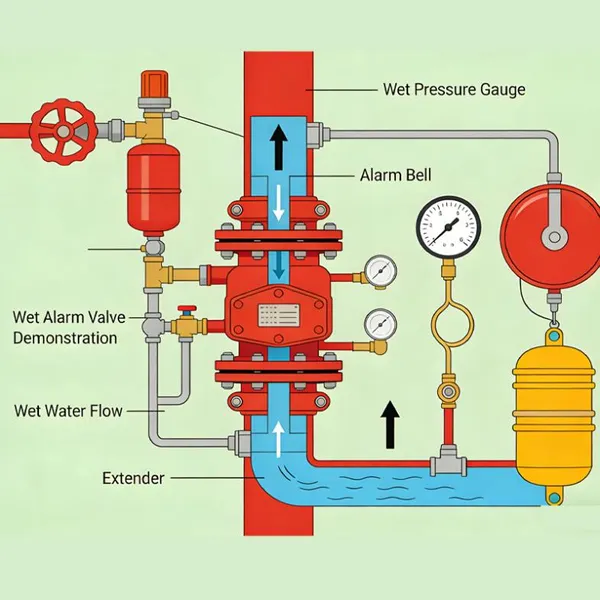
Fire fighting systems rely on a network of valves to control water, foam, or other extinguishing agents. Selecting the correct valve type ensures that the system remains functional when it is needed most. Different applications require different configurations, materials, and actuation methods.
To better understand available options, engineers often review various fire fighting valves types, including gate valves, butterfly valves, ball valves, and check valves. Each type plays a specific role within fire suppression and emergency response systems, depending on flow control, pressure requirements, and installation conditions.
Fire Fighting System Valves in Complex Installations
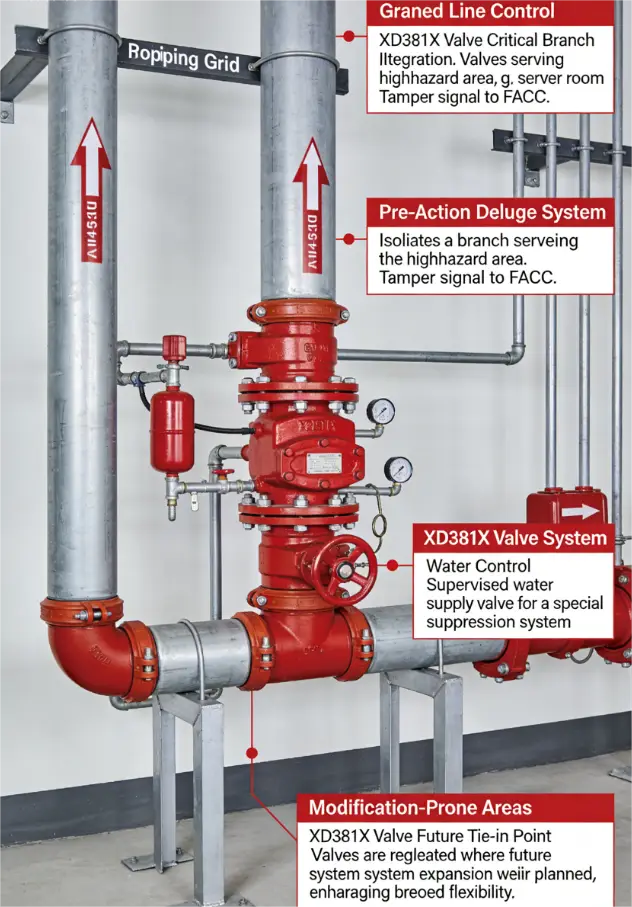
In integrated fire protection networks, valves must work together seamlessly. fire fighting system valves are designed to meet the demands of complex piping layouts, high flow rates, and rapid response requirements. These valves must be reliable, easy to operate, and compatible with monitoring and control systems.
Proper valve selection improves system reliability and reduces maintenance risks. Engineers consider factors such as pressure rating, corrosion resistance, actuation method, and certification when specifying fire safe valves for system-wide use.
APEX Valve and Reliable Fire Valve Solutions
APEX Valve, operated by Bohai Valve, specializes in the design and manufacture of industrial valves for demanding applications. As a professional supplier of fire valve solutions, APEX Valve provides products engineered to meet international fire safety standards and harsh operating environments.
With a focus on quality control, material traceability, and advanced manufacturing processes, APEX Valve supports customers in oil and gas, fire protection, petrochemical, and industrial infrastructure projects worldwide. Their fire safe valves are designed to deliver dependable performance, even under extreme fire exposure conditions.
When Fire Safe Valves Become a Mandatory Choice
Fire safe valves are not always optional components. They are required when systems transport flammable media, when fire exposure risk is high, or when regulations and project specifications demand certified fire resistance. In safety-critical environments, the cost of valve failure far outweighs the investment in compliant fire safe designs.
Choosing the right fire safe valve is a strategic decision that affects operational safety, regulatory compliance, and long-term reliability. Working with experienced manufacturers ensures that valves meet both technical and safety requirements.
Typical Scenarios Requiring Fire Safe Valves
| Application Area | Why Fire Safe Valves Are Required |
|---|---|
| Oil & Gas Facilities | Prevent fuel leakage during fire exposure |
| Petrochemical Plants | Maintain sealing under extreme heat |
| Fire Fighting Systems | Ensure system functionality during emergencies |
| Power Plants | Protect critical infrastructure from fire escalation |
| Industrial Buildings | Meet fire safety codes and insurance requirements |
Conclusion
Fire safe valves are required wherever fire risk intersects with fluid control. From industrial processing to fire fighting systems, these valves provide a critical layer of protection that helps prevent disasters and supports emergency response. Understanding when and where fire safe valves are required allows engineers and project owners to design safer, more resilient systems.
By selecting certified fire safe valves from trusted manufacturers like APEX Valve, industries can meet regulatory requirements, enhance safety performance, and ensure reliable operation even in the most challenging conditions.