







A-C Fire Pump 10 Inch Check Valve Gasket Part Number
January 26, 2026
What You Should Know Before Ordering
In fire protection systems, most attention goes to pumps, valves, and controllers. Gaskets are often overlooked. In reality, one incorrect gasket can cause leakage, pressure loss, or failed inspections.
When dealing with A-C fire pumps, especially systems using a 10 inch fire check valve, selecting the correct gasket is not optional. The a-c fire pump 10 inch check valve gasket part number defines more than size. It reflects material, design compatibility, and compliance with fire protection standards.
At Fuid Tech Group, we work with contractors and distributors who face these issues every day. This article shares practical guidance based on real project experience.
Why the Gasket Matters in a 10 Inch Check Valve
A check valve installed on the discharge side of an A-C fire pump prevents reverse flow and protects the pump during shutdown. The gasket creates the seal between valve components or between the valve and the pipeline flange.

In a 10 inch valve, sealing pressure is not evenly distributed by default. Bolt torque, surface finish, and gasket material all affect the final result. If the gasket does not match the valve design, even proper tightening may not stop leakage.
Many field problems start with “almost correct” parts. The valve size matches, but the gasket thickness or inner diameter is slightly off. During testing, small leaks appear. Later, vibration or pressure fluctuation makes the problem worse.
This is why identifying the correct a-c fire pump 10 inch check valve gasket part number is critical from the beginning.
What Defines the Correct Gasket Part Number
There is no universal gasket for all 10 inch check valves. The part number usually depends on several technical details.
- Valve structure is the first factor. Swing check valves, tilting disc valves, and silent check valves use different internal shapes. The gasket must fit the sealing groove precisely. A mismatch can cause uneven compression.
- Material selection comes next. Most fire pump systems handle clean water, but operating conditions still vary. Temperature changes, pressure spikes, and long idle periods all affect gasket performance.
- EPDM rubber is commonly used because it handles water well and ages slowly. NBR appears in systems where oil contamination is possible. Fiber rubber gaskets offer higher compressive strength but require careful installation.
- Standards also play a role. Many fire protection projects require compliance with NFPA guidelines. Some regions demand UL or FM approved components. Gasket part numbers often reflect these requirements.
At Fuid Tech Group, we always confirm valve model, pressure rating, and certification needs before recommending a gasket.
Comparison of Common Gasket Options for A-C Fire Pump Check Valves
The table below shows typical gasket choices for 10 inch check valves used with A-C fire pumps. It highlights how material and application differ in practice.
| Gasket Type | Typical Use Case | Working Temperature | Practical Advantage | Considerations |
| EPDM Rubber | Standard fire water systems | -30°C to 120°C | Stable sealing, long life | Most widely used option |
| NBR Rubber | Systems with oil exposure | -20°C to 100°C | Better oil resistance | Not ideal for pure water |
| Fiber Rubber | High-pressure installations | -10°C to 150°C | Strong compression strength | Torque control is critical |
| PTFE Composite | Special industrial systems | -50°C to 200°C | Chemical and heat resistance | Higher material cost |
This comparison shows why part numbers differ even within the same valve size. Choosing by size alone is not enough.
Common Problems Caused by Incorrect Gaskets
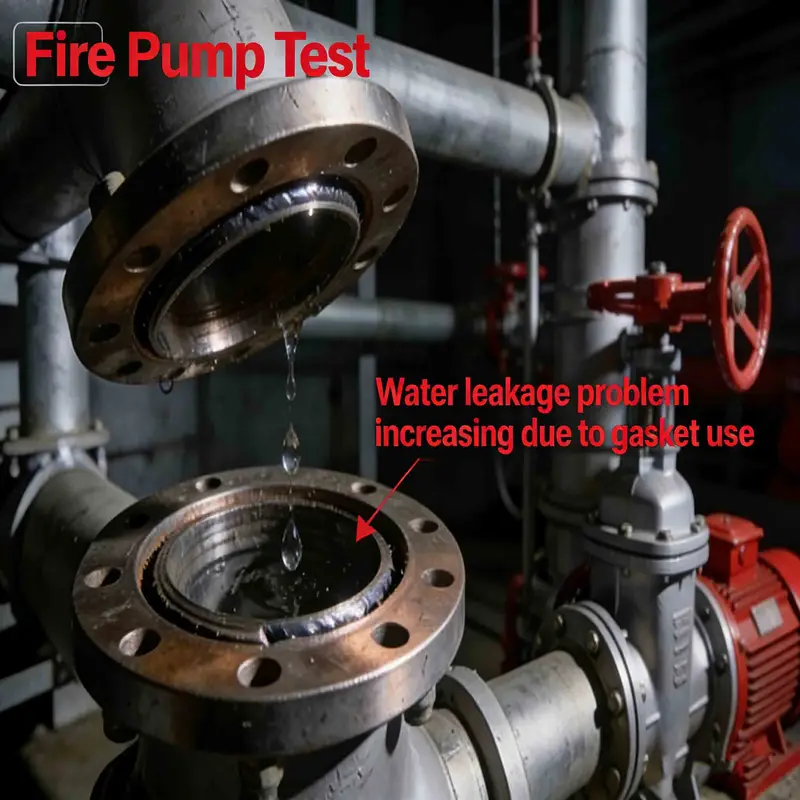
Incorrect gasket selection usually shows up during testing or early operation. Installers may notice seepage around the flange even when bolts are fully tightened.
In some cases, the gasket deforms after pressure testing. This often happens when material hardness does not match the application. Over time, repeated pressure cycles worsen the issue.
Another frequent problem is gasket movement during installation. If the gasket does not match the valve profile, it may shift when bolts are tightened. This creates weak sealing points that are hard to correct later.
Most of these problems can be avoided by selecting the correct a-c fire pump 10 inch check valve gasket part number before installation.
How Fuid Tech Group Supports Reliable Fire Pump Systems
Fuid Tech Group supplies pipe fittings, valves, and sealing components for fire protection systems worldwide. Our focus is not just product supply, but application accuracy.
We work closely with customers to confirm valve type, flange standard, and operating conditions. Based on this information, we recommend suitable gasket materials and matching part numbers.
This approach reduces installation issues and helps projects pass inspection smoothly. For distributors, it also lowers return rates and on-site troubleshooting.
Final Thoughts
A gasket may be a small component, but its impact on system performance is significant. In A-C fire pump installations, a 10 inch check valve relies on proper sealing to perform as intended.
Understanding the correct a-c fire pump 10 inch check valve gasket part number helps avoid leaks, delays, and compliance risks. With the right selection, the system operates reliably for years.
Fuid Tech Groupas a fire protection system supplier remains committed to supplying dependable fire protection components that meet real project demands.