







What Is a Fire Safe Valve
marzo 11, 2026
A fire safe valve is a specially engineered valve designed to maintain sealing integrity and prevent leakage when exposed to extreme fire conditions. In industrial environments where pipelines carry flammable liquids, gases, or hazardous chemicals, the failure of a valve during a fire can significantly increase the severity of an accident. A fire safe valve is designed with a dual-sealing mechanism that ensures the valve continues to function even if its primary soft sealing materials are destroyed by high temperatures.
Under normal operating conditions, most valves rely on soft seats made of materials such as PTFE or elastomers to achieve tight sealing. However, during a fire, these materials can burn or melt. Fire safe valve designs incorporate a secondary metal-to-metal sealing surface that activates once the soft seat fails. This feature prevents dangerous fluid leakage and helps contain the fire.
For engineers, procurement managers, and safety professionals, understanding the role of a fire safe valve is essential when designing reliable fire protection systems. In industries such as oil and gas, petrochemicals, power generation, and chemical processing, fire-safe certified valves are often mandatory to meet international safety regulations.
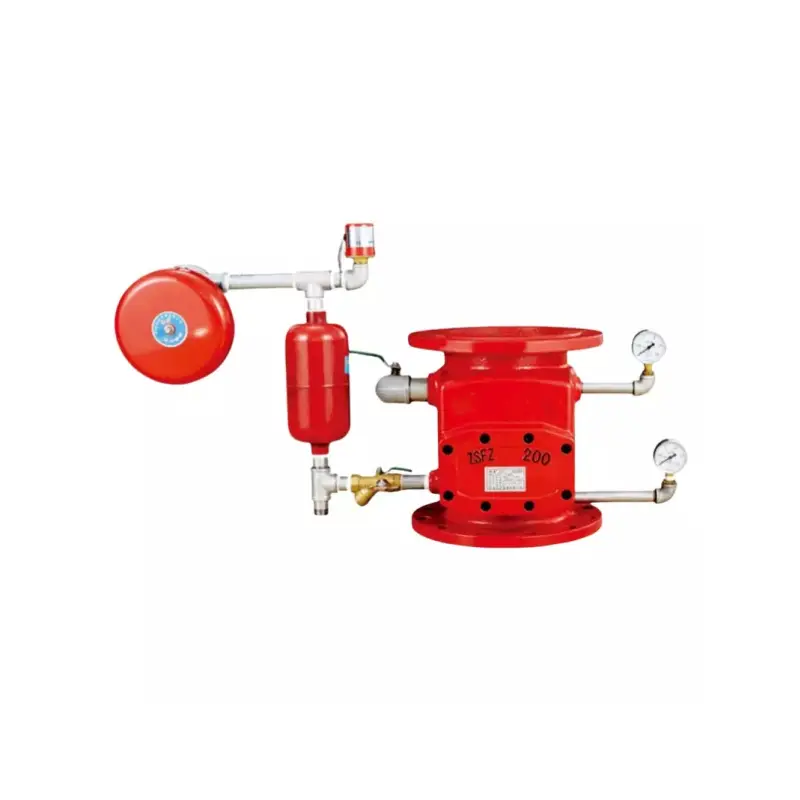
Understanding the Purpose of a Fire Safe Valve in Industrial Safety
The primary purpose of a fire safe valve is to ensure that a pipeline remains sealed during fire exposure. In many industrial facilities, pipelines transport highly combustible fluids such as hydrocarbons, fuels, and volatile chemicals. If a valve fails during a fire, the released material may intensify the blaze or trigger explosions.
A fire safe valve prevents this scenario by maintaining containment even under extreme thermal stress. When exposed to fire, the valve’s soft sealing components may degrade, but the design ensures that metal sealing surfaces automatically engage to stop fluid leakage.
For this reason, fire safe valves are widely used in safety-critical systems. Industrial operators frequently rely on experienced manufacturers and a certified fire protection supply company to ensure that the valves installed in their facilities meet strict safety and performance requirements.
Key Design Features That Make a Valve Fire Safe
A fire safe valve incorporates several engineering features that allow it to perform reliably during fire exposure.
Secondary Metal-to-Metal Sealing
The most important feature is the metal backup seal. When the soft seat fails due to high temperature, the valve’s metal surfaces form a tight seal that continues to block fluid flow.
Fire-Resistant Materials
Valve bodies are typically manufactured from carbon steel, stainless steel, or alloy steel. These materials maintain structural integrity under high temperatures.
Graphite Packing for Stem Sealing
Graphite packing is commonly used in the valve stem area because it can withstand extremely high temperatures while maintaining sealing performance.
Anti-Blowout Stem Design
To prevent the valve stem from being forced out due to internal pressure during fire exposure, many fire safe valves include anti-blowout stem structures.
Pressure Relief Mechanisms
Certain valve designs include pressure relief features that prevent excessive pressure buildup caused by thermal expansion inside the valve cavity.
These design elements ensure that the valve can continue operating safely even under severe fire conditions.
Common Industrial Applications of Fire Safe Valves
Fire safe valves are widely used across industries where flammable materials are transported through pipelines. Their role is to protect both equipment and personnel during fire emergencies.
Oil and Gas Facilities
In refineries and petrochemical plants, pipelines carry flammable hydrocarbons. Fire safe valves help isolate sections of pipelines during emergencies, preventing fuel leaks that could intensify fires.
Chemical Processing Plants
Chemical production facilities often deal with hazardous fluids. Fire safe valves maintain containment in the event of fire, reducing the risk of chemical release.
Sistemas de protección contra incendios
Industrial fire suppression systems require reliable valves to control water flow. One key component is the válvula de retención de alarma de rociadores contra incendios, which regulates water supply and triggers alarm signals when sprinklers activate.
Power Generation Facilities
Power plants often include fire protection systems designed to protect turbines, transformers, and fuel storage areas. Fire safe valves play a critical role in isolating these systems during emergencies.
Fire Testing Standards for Fire Safe Valves
To ensure reliability, fire safe valves must pass standardized fire testing procedures. These tests simulate real fire conditions to verify that the valve maintains sealing performance.
Common fire testing standards include:
- API 607 – Fire testing for quarter-turn valves
- API 6FA – Fire testing for pipeline valves
- ISO 10497 – International fire testing standard for valves
During these tests, the valve is exposed to a controlled fire environment while maintaining internal pressure. Engineers then measure leakage rates and structural performance to confirm compliance.
Passing these tests ensures that the valve can withstand extreme fire exposure and continue to prevent leakage.
Types of Fire Safe Valves Used in Industrial Systems
Several types of industrial valves are designed with fire safe features. The selection depends on system requirements, pressure conditions, and fluid characteristics.
Ball Valves
Ball valves are widely used because of their reliable sealing and quick quarter-turn operation. Fire safe ball valves are common in oil and gas pipelines.
Válvulas de compuerta
Gate valves provide minimal flow resistance and are often used in large pipelines where full flow capacity is required.
Check Valves
Check valves allow fluid to flow in only one direction and prevent backflow in pipeline systems.
Válvulas de mariposa
Butterfly valves are commonly used in large-diameter pipelines due to their compact structure and efficient operation.
Engineers designing fire suppression systems must understand different tipos de válvulas contra incendios in order to select the correct valve configuration for each application.
If you need assistance selecting the right valve solution for your project, our engineering team can help—simply reach out here: Póngase en contacto con nosotros.
Performance Comparison: Standard Valves vs Fire Safe Valves
The following table highlights the key differences between conventional valves and fire safe valves used in safety-critical applications.
Table 1: Functional Comparison Between Standard Valves and Fire Safe Valves
| Característica | Standard Valve | Fire Safe Valve |
|---|---|---|
| Primary Sealing Method | Soft seat only | Soft seat plus metal backup seal |
| Fire Resistance | Limited | Designed for high-temperature exposure |
| Leakage Prevention During Fire | Not guaranteed | Designed to prevent leakage |
| Compliance With Fire Testing Standards | Usually not certified | Certified under API or ISO standards |
| Typical Applications | General industrial pipelines | Fire protection and hazardous fluid systems |
This comparison illustrates why fire safe valves are essential in environments where fire risks are present.
Key Factors When Selecting a Fire Safe Valve
Selecting the correct valve requires careful evaluation of several technical parameters.
Pressure and Temperature Ratings
The valve must be capable of handling both the normal operating pressure and the extreme temperatures associated with fire exposure.
Material Compatibility
Materials used in the valve must resist corrosion and chemical reactions with the transported fluid.
Certification Requirements
Industrial facilities often require valves certified according to international standards such as API or ISO fire testing protocols.
Maintenance and Reliability
High-quality valves should offer long service life and require minimal maintenance.
By evaluating these factors, engineers can ensure that the selected valve will perform reliably in critical fire protection applications.
Frequently Asked Questions
What makes a valve fire safe?
A valve is considered fire safe when it is designed with a secondary metal sealing mechanism that prevents leakage after the primary soft seal fails during fire exposure.
Are fire safe valves required by industry standards?
Yes. Many industries such as oil and gas require fire-tested valves to comply with safety regulations and engineering standards.
How are fire safe valves tested?
They undergo controlled fire tests based on standards such as API 607 or ISO 10497 to ensure that leakage remains within acceptable limits during and after fire exposure.
Can fire safe valves be used in normal operations?
Yes. Fire safe valves function like standard valves during regular operations while providing additional protection in case of fire.
How often should these valves be inspected?
Inspection intervals depend on system requirements, but most industrial facilities perform routine inspections annually as part of their safety maintenance programs.
About Fuid Tech Group
Fuid Tech Group is a professional manufacturer specializing in high-performance valve solutions for industrial fire protection and safety-critical applications. With advanced manufacturing capabilities and strict quality control systems, the company provides reliable valve products designed to meet international standards for durability, safety, and performance.
Serving industries such as oil and gas, petrochemicals, power generation, and building fire protection, Fuid Tech Group focuses on delivering innovative valve technologies that support safe and efficient fluid control systems worldwide. By combining engineering expertise with customer-focused solutions, the company continues to help industrial operators improve safety and reliability across their critical infrastructure.
References
Wikipedia – Industrial Valve
https://en.wikipedia.org/wiki/Valve
National Fire Protection Association (NFPA)
https://www.nfpa.org/
American Petroleum Institute – Valve Fire Testing Standards
https://www.api.org/